In today’s hyperconnected global economy, speed is no longer a competitive advantage—it is an operational requirement. Markets move faster than ever, production cycles are shorter, and customer expectations continue to rise. Whether it is a manufacturer awaiting a critical component, a healthcare provider needing lifesaving equipment, or a technology company launching new infrastructure, delays can trigger costly consequences across the supply chain.
This is where time-critical logistics services become indispensable.
Time-critical logistics focuses on transporting urgent shipments within the shortest possible timeframe while maintaining reliability, visibility, and compliance. It is not simply about faster delivery; it is about orchestrating a complex network of transportation, customs processes, contingency planning, and real-time monitoring to ensure shipments arrive exactly when they are needed.
For businesses operating in global markets, the ability to move cargo rapidly and predictably is often the difference between continuity and disruption.
AGOL Worldwide Inc understands that urgency requires more than speed—it demands expertise, infrastructure, and strategic execution. By delivering dependable time-critical logistics solutions, the company enables organizations to protect operations, reduce risk, and maintain momentum in an increasingly time-sensitive world.
Understanding Time-Critical Logistics
Time-critical logistics refers to the planning and execution of shipments that must meet strict delivery deadlines. These shipments often support essential operations where delays are not acceptable and may result in financial loss, operational downtime, regulatory penalties, or reputational damage.
Unlike standard freight services, time-critical logistics involves proactive coordination across multiple touchpoints—from pickup and route selection to customs clearance and final-mile delivery.
Key Characteristics of Time-Critical Logistics
1. Speed with Precision
Fast movement alone is not enough. Shipments must arrive within defined delivery windows, often calculated down to the hour.
2. End-to-End Visibility
Real-time tracking allows businesses to monitor shipment progress and respond quickly if conditions change.
3. Customized Routing
Every urgent shipment requires a tailored strategy that considers geography, available transport modes, border requirements, and risk factors.
4. Rapid Decision-Making
Experienced logistics teams anticipate disruptions and implement alternative solutions before delays occur.
5. Compliance Assurance
Expedited cargo still must meet international trade regulations. Proper documentation and customs expertise prevent clearance bottlenecks.
Time-critical logistics is therefore both operational and strategic—it protects revenue, safeguards customer commitments, and reinforces supply chain resilience.
Why Time-Critical Logistics Has Become Essential
Global supply chains have grown more sophisticated, but they have also become more vulnerable to disruption. Businesses can no longer rely solely on traditional shipping timelines when production and market demands are constantly evolving.
Several factors are driving the increasing reliance on time-critical logistics services.
Shrinking Inventory Models
Many organizations operate under lean inventory strategies to control costs. While efficient, these models reduce buffer stock and increase dependency on precise delivery schedules.
When a required component is delayed, production lines may halt within hours.
Time-critical logistics acts as a safeguard—ensuring that critical parts reach facilities quickly enough to maintain operational continuity.
Heightened Customer Expectations
Customers today expect rapid fulfillment regardless of geographic boundaries. Late deliveries can erode trust and push clients toward competitors.
Businesses must therefore align their logistics capabilities with service-level commitments, particularly when handling high-value or contract-sensitive shipments.
Globalized Manufacturing
Production rarely occurs in a single location anymore. Components often move across continents before reaching the final assembly point.
This interconnectedness increases exposure to port congestion, weather events, regulatory changes, and geopolitical factors.
Time-critical logistics provides the agility needed to navigate these variables without compromising timelines.
High Cost of Downtime
For industries such as automotive, aerospace, energy, and technology, even brief operational interruptions can lead to substantial losses.
An urgent logistics response can prevent cascading impacts across production schedules, workforce planning, and customer delivery commitments.
Industries That Depend on Time-Critical Logistics
While nearly every sector benefits from expedited shipping capabilities, certain industries rely on them as an operational necessity rather than a contingency option.
Healthcare and Pharmaceuticals
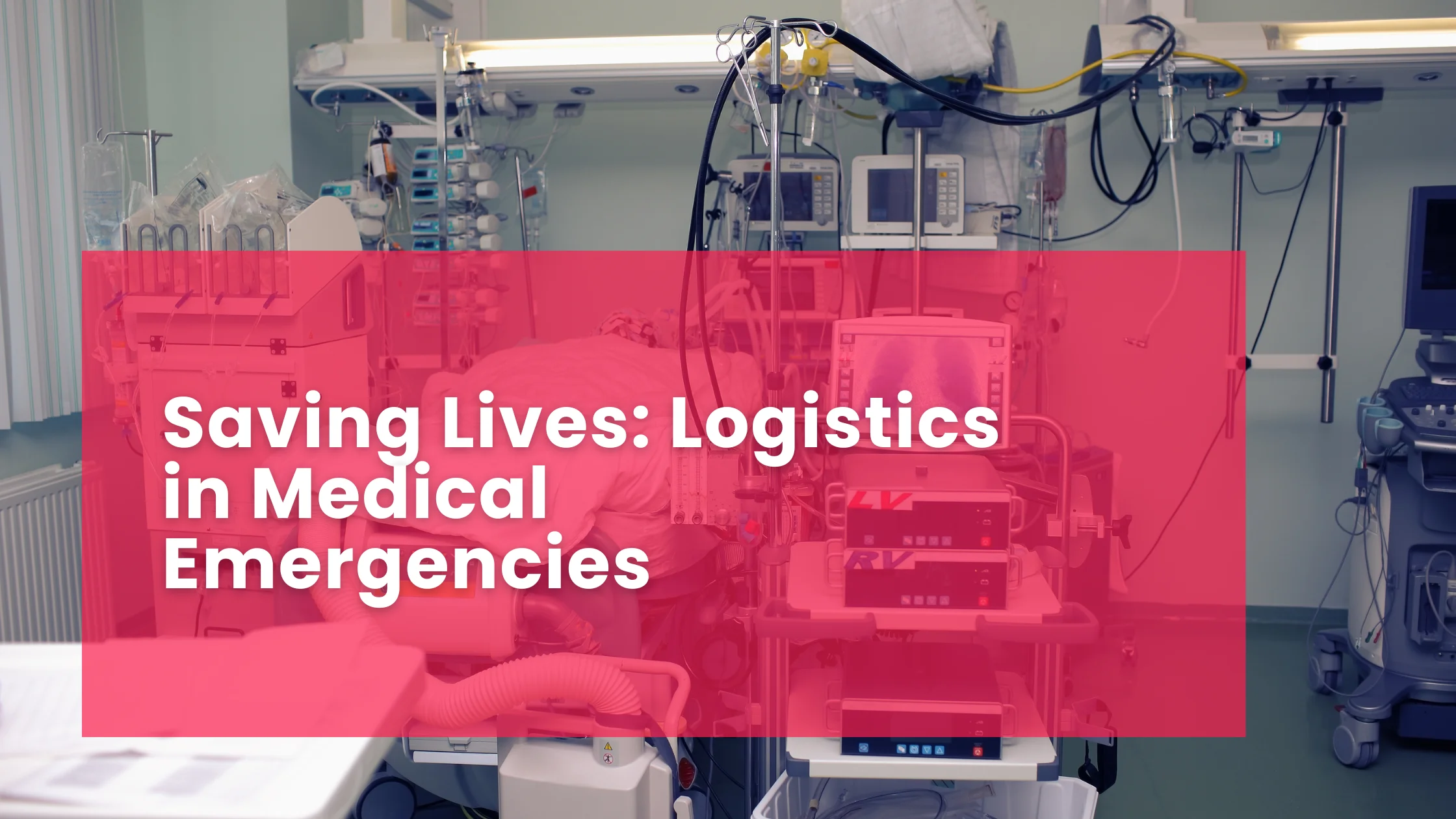
Hospitals, laboratories, and medical manufacturers often require immediate transportation of equipment, diagnostic tools, and temperature-sensitive products.
Delays can affect patient care, regulatory compliance, and treatment availability.
Reliable time-critical logistics ensures that essential healthcare supply chains remain uninterrupted.
Technology and Data Infrastructure
The rapid expansion of digital infrastructure has created constant demand for servers, networking equipment, and specialized hardware.
When a data center experiences equipment failure, replacement components must arrive quickly to prevent service outages.
Time-critical logistics supports uptime, which is foundational to modern business operations.
Automotive Manufacturing
Automotive production lines operate on synchronized schedules. A single missing component can halt assembly entirely.
Urgent freight solutions help manufacturers avoid costly shutdowns and maintain production targets.
Aerospace and Aviation
Aircraft maintenance often depends on the rapid delivery of certified parts. Grounded aircraft result in lost revenue and disrupted travel schedules.
Precision logistics enables airlines and maintenance providers to restore operations faster.
Energy and Industrial Projects
From offshore platforms to remote construction sites, industrial projects often require specialized equipment within strict timelines.
Expedited transport helps prevent project delays that could escalate costs significantly.
Across these sectors, the common thread is clear: operational stability depends on logistics reliability.
Core Components of Effective Time-Critical Logistics
Delivering urgent shipments consistently requires more than access to transportation networks. It demands a structured approach that integrates technology, expertise, and global reach.
Advanced Planning and Coordination
Successful time-critical logistics begins with detailed planning. Logistics specialists evaluate shipment parameters such as size, weight, urgency, destination, and regulatory requirements before selecting the optimal transport strategy.
Contingency plans are equally important. Alternate routes and backup options ensure continuity if unexpected challenges arise.
Multimodal Transportation Options
Flexibility is central to expedited logistics.
Air freight often provides the fastest solution for long-distance shipments, while dedicated trucking supports regional acceleration. In some cases, a multimodal approach delivers the best balance of speed and cost.
Choosing the right combination requires both experience and situational awareness.
Real-Time Shipment Visibility
Transparency allows businesses to stay informed and make proactive decisions.
Modern tracking technologies provide continuous updates, helping stakeholders anticipate arrival times and respond to changes without losing control of the shipment lifecycle.
Customs Expertise
Cross-border shipments introduce regulatory complexity that can derail even the most carefully planned timeline.
Accurate documentation, tariff classification, and pre-clearance strategies reduce the risk of delays at borders.
A logistics partner with strong customs brokerage capabilities becomes an invaluable asset in time-sensitive scenarios.
Dedicated Support Teams
Urgent shipments often require around-the-clock monitoring.
Dedicated logistics professionals oversee each movement, coordinate with carriers, and intervene immediately if conditions shift.
This level of oversight ensures that speed does not come at the expense of reliability.
The Strategic Business Benefits of Time-Critical Logistics
Organizations that invest in dependable time-critical logistics gain more than operational agility—they strengthen their competitive positioning.
Protecting Revenue Streams
Missed deadlines can result in contract penalties, canceled orders, or lost customers.
Expedited logistics safeguards revenue by ensuring commitments are met even under challenging circumstances.
Strengthening Customer Confidence
Consistent delivery performance reinforces trust.
When customers know a business can respond quickly to urgent needs, relationships deepen and long-term partnerships become more likely.
Enhancing Supply Chain Resilience
Disruptions are inevitable, but their impact can be minimized.
Time-critical logistics acts as a strategic buffer, enabling companies to adapt without compromising service levels.
Supporting Business Growth
Entering new markets often introduces logistical uncertainty.
A reliable global logistics partner helps businesses scale confidently by ensuring that distance does not hinder responsiveness.
Improving Operational Efficiency
While expedited shipping may appear reactive, it often supports proactive risk management.
Companies that integrate time-critical logistics into their broader strategy can operate leaner while maintaining continuity.
Technology’s Role in Modern Time-Critical Logistics
Digital transformation has reshaped how urgent shipments are managed.
Advanced logistics platforms now enable predictive insights, automated alerts, and data-driven decision-making—capabilities that significantly improve execution speed and accuracy.
Predictive Analytics
By analyzing historical patterns and real-time conditions, predictive tools help identify potential delays before they occur.
This foresight allows logistics teams to adjust routes or transport modes early.
Automation
Automated workflows accelerate documentation, booking, and communication processes.
Reducing manual intervention minimizes errors and shortens response times.
Integrated Communication
Centralized communication platforms connect shippers, carriers, customs agents, and recipients.
Faster information exchange leads to faster problem resolution.
Data Visibility
Access to detailed shipment data empowers businesses to refine their logistics strategies and uncover opportunities for improvement.
Technology does not replace expertise—it enhances it. When combined with experienced logistics professionals, digital tools create a powerful framework for dependable urgent delivery.
Common Challenges in Time-Critical Shipping—and How Expertise Makes the Difference
Even the most carefully planned shipment can encounter obstacles. What separates successful logistics providers is their ability to manage complexity without losing momentum.
Weather Disruptions: Severe conditions can affect flight schedules and road transport. Strategic rerouting maintains progress.
Capacity Constraints: Limited cargo space during peak periods requires strong carrier relationships and early coordination.
Regulatory Changes: Trade policies evolve. Up-to-date compliance knowledge prevents clearance delays.
Infrastructure Limitations: Remote destinations may demand creative transport solutions.
These challenges reinforce the importance of partnering with a logistics provider that combines global reach with practical experience.
Choosing the Right Time-Critical Logistics Partner
Selecting a logistics partner is a strategic decision that directly influences operational reliability.
Businesses should evaluate providers based on several critical factors:
- Global Network Strength: The ability to move cargo seamlessly across regions.
- Proven Experience: Demonstrated success handling urgent shipments.
- Customizable Solutions: Flexibility to adapt services to unique operational needs.
- Transparent Communication: Clear updates that support informed decision-making.
- Compliance Expertise: Strong knowledge of international trade regulations.
- Customer-Centric Approach: A focus on long-term partnership rather than transactional service.
A capable partner becomes an extension of your supply chain—ready to respond whenever urgency arises.
How AGOL Worldwide Inc Delivers Confidence in Time-Critical Logistics
In high-stakes shipping environments, businesses need more than a service provider—they need a trusted partner capable of executing under pressure.
AGOL Worldwide Inc brings together global logistics expertise, advanced operational processes, and a commitment to reliability that supports organizations when timing matters most.
A Global Perspective
With extensive international reach, AGOL Worldwide Inc coordinates shipments across major trade lanes while maintaining consistency in service quality.
Tailored Logistics Strategies
No two urgent shipments are identical. The company develops customized solutions aligned with each client’s operational priorities, timelines, and regulatory requirements.
End-to-End Management
From pickup to final delivery, every stage is carefully monitored to ensure shipments remain on track.
Compliance-Driven Execution
Strong customs brokerage capabilities help expedite border crossings and avoid unnecessary delays.
Responsive Support
Dedicated logistics professionals remain actively engaged throughout the shipment lifecycle, providing clarity and confidence.
By focusing on precision, adaptability, and partnership, AGOL Worldwide Inc enables businesses to move forward without hesitation—even when deadlines are tight.
The Future of Time-Critical Logistics
As global commerce continues to accelerate, the importance of time-critical logistics will only grow.
Several trends are shaping the future:
Greater Supply Chain Visibility: Enhanced tracking technologies will deliver deeper operational insights.
Sustainability Initiatives: Businesses will increasingly seek expedited options that also support environmental goals.
AI-Driven Optimization: Intelligent systems will refine routing and capacity planning.
Resilient Network Design: Companies will diversify transport strategies to reduce vulnerability to disruption.
Organizations that embrace these advancements will be better positioned to compete in fast-moving markets.
Final Thoughts
Time-critical logistics is no longer reserved for emergencies—it has become a strategic pillar of modern supply chain management. Businesses that prioritize speed, reliability, and adaptability are better equipped to navigate uncertainty, protect revenue, and meet rising customer expectations.
Whether preventing production downtime, supporting critical infrastructure, or ensuring high-value shipments arrive on schedule, the impact of dependable urgent logistics cannot be overstated.
AGOL Worldwide Inc stands ready to support organizations with customized global logistics solutions designed for precision and performance. When timing is critical, having the right partner makes all the difference.
Connect with AGOL Worldwide Inc today to explore tailored logistics strategies that keep your business moving—no matter how tight the timeline.