Global trade has entered a new era—one defined not just by movement of goods, but by the intelligent movement of data. As regulatory frameworks become more complex and supply chains more interconnected, businesses can no longer rely on manual processes or fragmented systems to stay compliant.
Today, success in international trade depends on a powerful intersection: technology and trade compliance working in sync.
For companies operating across borders, this convergence is not optional—it’s essential. And for organizations seeking reliability, scalability, and compliance certainty, partnering with an experienced global logistics provider like AGOL Worldwide Inc becomes a strategic advantage.
The Evolution of Trade Compliance in a Digital World
Trade compliance was once viewed as a back-office function—focused on documentation, classification, and regulatory checks. That perception has fundamentally changed.
Modern compliance now sits at the center of global operations. It directly impacts:
- Shipment speed
- Cost efficiency
- Risk exposure
- Market access
With governments tightening regulations and increasing scrutiny on imports and exports, compliance failures can result in delays, penalties, or even shipment seizures.
At the same time, global supply chains have become faster and more complex. This has created a clear need for technology-driven compliance systems that ensure accuracy, transparency, and speed.
Why Technology is Transforming Global Trade
Technology is not just improving logistics—it is redefining how trade compliance is managed. Businesses that adopt digital solutions gain a competitive edge by reducing errors, improving visibility, and accelerating decision-making.
1. Automation Reduces Human Error
Manual compliance processes are prone to mistakes—misclassification, incorrect documentation, or missed regulatory updates. Automation ensures:
- Accurate tariff classification
- Consistent documentation
- Real-time validation of trade data
This reduces costly errors and minimizes compliance risks.
2. Real-Time Data Improves Decision-Making
Modern logistics platforms provide real-time insights into:
- Shipment status
- Customs clearance progress
- Regulatory requirements
This visibility allows businesses to act quickly, avoiding delays and optimizing supply chain performance.
3. Integration Across Systems
Technology connects procurement, logistics, and compliance into a single ecosystem. This integration ensures that:
- Compliance checks happen early in the process
- Data flows seamlessly across departments
- Decision-making becomes faster and more informed
The Growing Complexity of Global Regulations
Trade compliance is no longer limited to customs duties and tariffs. Today, businesses must navigate a wide range of regulatory requirements, including:
- Import/export restrictions
- Product certifications
- Sanctions and embargoes
- Environmental and safety standards
- Country-specific documentation rules
Each country has its own regulatory framework, and these rules frequently change. Without a technology-enabled approach, staying compliant becomes nearly impossible at scale.
Key Technologies Driving Trade Compliance
1. Artificial Intelligence (AI) and Machine Learning
AI-powered systems analyze vast datasets to identify compliance risks and recommend corrective actions. These tools can:
- Classify products accurately
- Detect anomalies in trade data
- Predict potential compliance issues
Over time, machine learning improves accuracy and efficiency, reducing reliance on manual intervention.
2. Cloud-Based Compliance Platforms
Cloud technology allows businesses to centralize compliance operations across multiple regions. Benefits include:
- Scalable infrastructure
- Real-time updates
- Secure data access from anywhere
This is particularly valuable for companies managing global supply chains.
3. Blockchain for Transparency
Blockchain technology enhances transparency by creating immutable records of transactions. In trade compliance, this means:
- Verified documentation
- Reduced fraud
- Improved trust between stakeholders
4. Automated Documentation Systems
Documentation is one of the most critical aspects of trade compliance. Automated systems ensure:
- Accurate invoice generation
- Correct packing lists
- Compliance with country-specific documentation requirements
This significantly reduces delays at customs checkpoints.
The Role of AGOL Worldwide Inc in Technology-Driven Compliance
While technology is essential, it is only effective when combined with expertise. This is where AGOL Worldwide Inc delivers unmatched value.
As a global logistics partner, AGOL integrates advanced technology with deep industry knowledge to provide:
- End-to-end compliance management
- Real-time shipment visibility
- Seamless customs brokerage
- Scalable supply chain solutions
AGOL’s approach ensures that compliance is not just a requirement—but a strategic advantage.
Bridging the Gap Between Compliance and Operations
One of the biggest challenges businesses face is aligning compliance with operational efficiency. Often, compliance processes slow down shipments due to manual checks or incomplete data.
Technology bridges this gap by embedding compliance into the workflow. This ensures that:
- Compliance checks happen automatically
- Issues are flagged early
- Shipments move without unnecessary delays
AGOL Worldwide Inc leverages integrated systems to align compliance with logistics operations—ensuring speed without compromising accuracy.
Benefits of a Technology-Driven Compliance Strategy
1. Faster Customs Clearance
Automated systems ensure that all documentation and regulatory requirements are met before shipment arrival. This reduces clearance time and avoids bottlenecks.
2. Reduced Costs
Compliance errors can lead to penalties, storage fees, and shipment delays. Technology minimizes these risks, resulting in significant cost savings.
3. Enhanced Risk Management
Real-time monitoring and predictive analytics help identify potential risks before they escalate.
4. Improved Customer Satisfaction
Faster, reliable shipments lead to better customer experiences and stronger business relationships.
Challenges Businesses Face Without Technology
Companies that rely on outdated or manual processes often encounter:
- Frequent compliance errors
- Delayed shipments
- Lack of visibility
- Increased operational costs
In today’s competitive landscape, these challenges can limit growth and reduce profitability.
The Importance of Data Accuracy in Trade Compliance
Data is the foundation of trade compliance. Even a small error in:
- Product classification
- Declared value
- Country of origin
can result in significant delays or penalties.
Technology ensures data accuracy through validation checks and automated workflows. AGOL Worldwide Inc prioritizes data integrity, ensuring that every shipment meets regulatory requirements.
Customs Brokerage in the Digital Age
Customs brokerage has evolved from manual paperwork to digital precision. Modern brokerage services include:
- Automated filings
- Real-time tracking
- Compliance validation
AGOL Worldwide Inc combines technology with experienced customs professionals to ensure smooth and efficient clearance processes across multiple jurisdictions.
Supply Chain Visibility and Compliance
Visibility is critical for compliance. Without real-time insights, businesses cannot respond to disruptions or regulatory changes effectively.
Technology provides end-to-end visibility, allowing businesses to:
- Track shipments globally
- Monitor compliance status
- Respond to issues proactively
AGOL’s integrated systems offer complete transparency, enabling better control over global operations.
Future Trends in Trade Compliance Technology
The future of trade compliance will be shaped by continued innovation. Key trends include:
1. Predictive Compliance
AI will predict compliance risks before they occur, enabling proactive management.
2. Increased Automation
More processes will become fully automated, reducing human involvement and increasing efficiency.
3. Global Standardization
Efforts toward standardized digital trade frameworks will simplify cross-border operations.
4. Enhanced Cybersecurity
As trade becomes more digital, protecting sensitive data will become a top priority.
Building a Resilient Global Supply Chain
Resilience is no longer just about logistics—it’s about compliance readiness. Businesses must be prepared to adapt to:
- Regulatory changes
- Market disruptions
- Geopolitical shifts
Technology provides the agility needed to respond quickly, while experienced partners like AGOL Worldwide Inc ensure that compliance remains intact.
Why Partnering with the Right Logistics Provider Matters
Technology alone cannot guarantee compliance. It requires:
- Industry expertise
- Regulatory knowledge
- Global network capabilities
AGOL Worldwide Inc brings all these elements together, offering a comprehensive solution that combines technology with human expertise.
A Strategic Approach to Global Trade
To succeed in today’s environment, businesses must adopt a strategic approach that integrates:
- Technology
- Compliance
- Logistics
This alignment ensures that operations are efficient, scalable, and compliant across all markets.
Conclusion: Turning Compliance into a Competitive Advantage
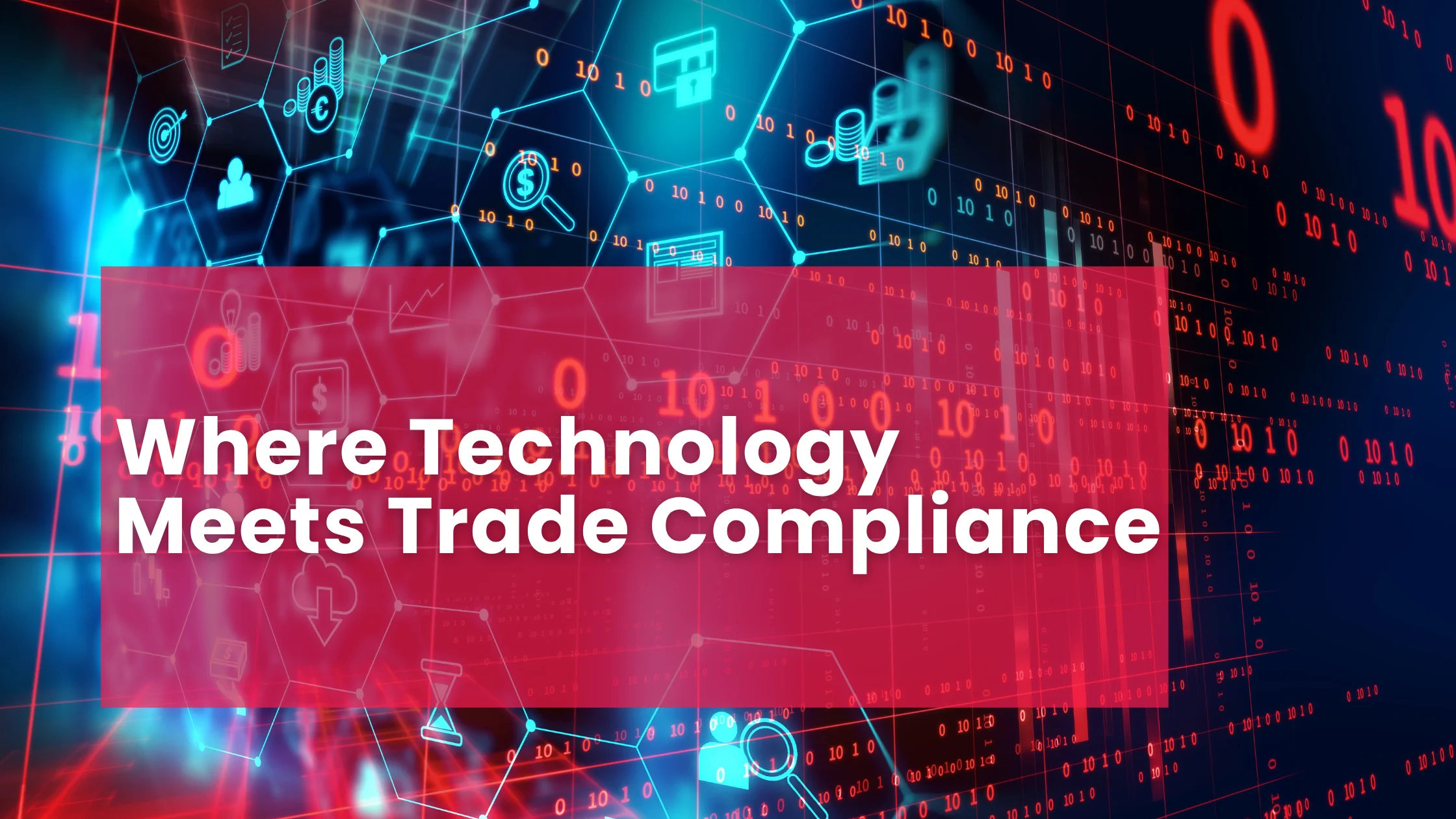
Where technology meets trade compliance, businesses unlock new opportunities for growth, efficiency, and global expansion.
Organizations that embrace this intersection gain:
- Faster operations
- Reduced risks
- Greater market access
However, achieving this requires more than just tools—it requires the right partner.
AGOL Worldwide Inc stands at the forefront of this transformation, combining advanced technology with deep logistics expertise to deliver reliable, compliant, and efficient global trade solutions.
If your business is looking to streamline operations, reduce compliance risks, and scale globally with confidence, now is the time to take the next step.
Connect with AGOL Worldwide Inc today to explore customized global logistics and trade compliance solutions designed for your business.