How Modern Supply Chains Are Moving Beyond Crisis Management
Global supply chains have become increasingly complex, interconnected, and vulnerable to disruption. From geopolitical tensions and port congestion to extreme weather events and fluctuating customer demand, businesses face challenges that can impact every stage of the logistics process.
For decades, many organizations operated with a reactive logistics model. Problems were addressed only after they occurred. Delayed shipments, inventory shortages, customs bottlenecks, and transportation disruptions were managed as isolated incidents rather than anticipated risks.
Today, that approach is no longer sufficient.
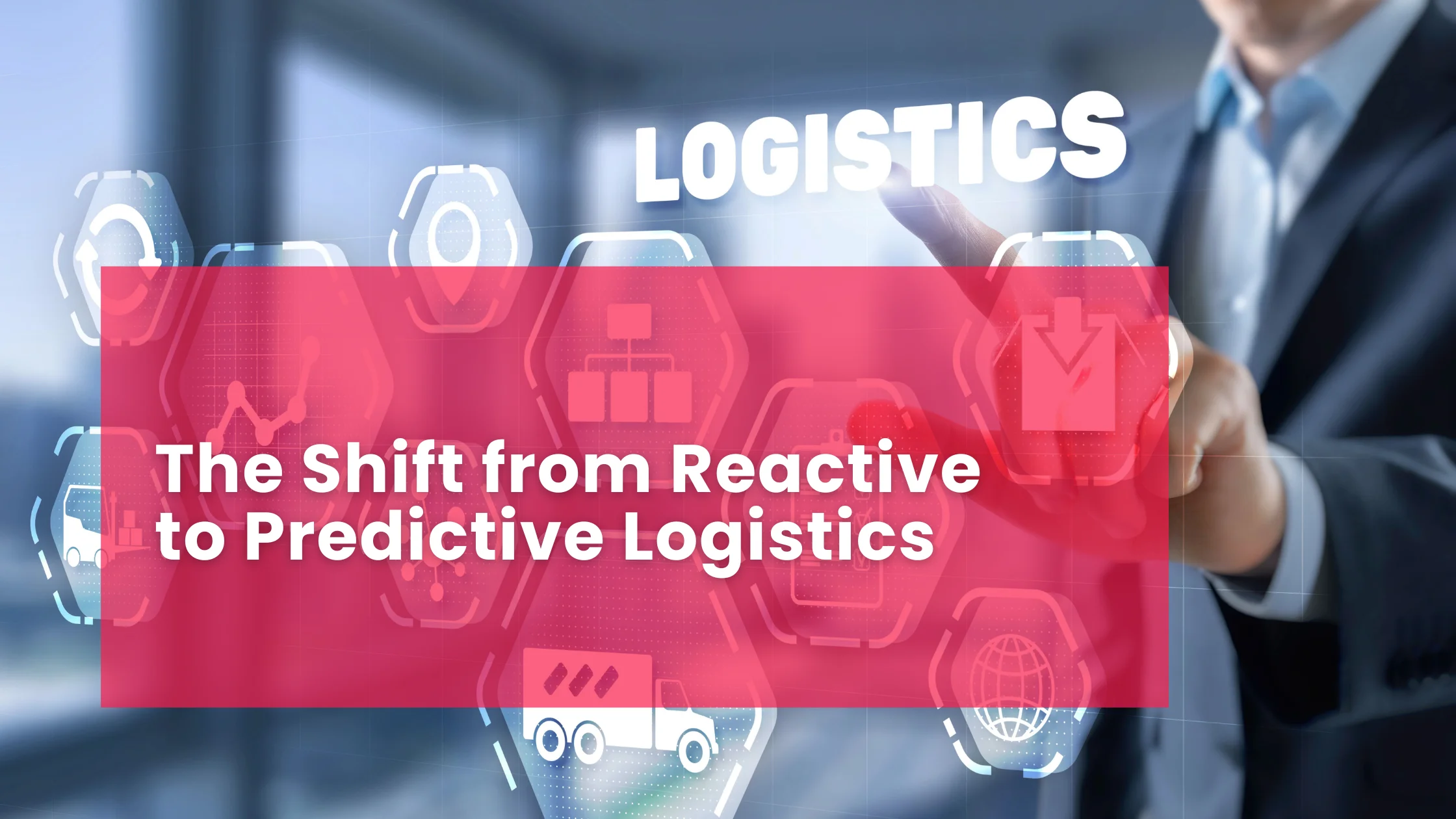
As supply chains become more data-driven and technology-enabled, businesses are shifting toward predictive logistics—a proactive strategy that uses real-time visibility, advanced analytics, automation, and forecasting to identify potential disruptions before they happen.
This evolution is transforming the way companies manage international trade, transportation, inventory, and supply chain operations.
For importers, exporters, procurement leaders, and supply chain professionals, predictive logistics represents a significant opportunity to improve resilience, reduce costs, and gain a competitive advantage.
At AGOL Worldwide Inc, we help businesses navigate this transition by providing comprehensive global logistics solutions supported by industry expertise, supply chain visibility, customs compliance, and strategic planning capabilities.
Understanding Reactive Logistics
Reactive logistics refers to a traditional approach where actions are taken after a problem has already occurred.
Examples include:
- Responding to delayed shipments after customers complain
- Finding alternative transportation after a carrier disruption
- Managing inventory shortages once stock levels become critical
- Resolving customs issues after cargo is held at the border
- Adjusting procurement plans following supplier delays
While reactive logistics can solve immediate issues, it often results in:
- Higher transportation costs
- Increased operational disruptions
- Customer dissatisfaction
- Reduced supply chain visibility
- Lost sales opportunities
- Inefficient resource allocation
Many organizations still spend a significant portion of their logistics efforts dealing with unexpected events rather than preventing them.
As global supply chains become more complex, the costs of operating reactively continue to rise.
What Is Predictive Logistics?
Predictive logistics is a proactive supply chain strategy that uses data, analytics, artificial intelligence, machine learning, and real-time monitoring to forecast future events and optimize decision-making.
Instead of asking:
“What happened?”
Predictive logistics asks:
“What is likely to happen next, and how can we prepare for it?”
The objective is to identify risks, opportunities, and disruptions before they impact operations.
Predictive logistics enables organizations to:
- Anticipate delays
- Forecast demand more accurately
- Optimize inventory levels
- Improve transportation planning
- Reduce supply chain risks
- Enhance customer service
- Increase operational efficiency
This shift allows businesses to make informed decisions based on data rather than assumptions.
Why the Shift Is Happening Now
Several factors are accelerating the move toward predictive logistics.
Increased Supply Chain Complexity
Modern supply chains often involve:
- Multiple suppliers
- Global sourcing networks
- International transportation providers
- Customs authorities across numerous countries
- Distribution centers in different regions
Managing these interconnected networks requires greater visibility and forecasting capabilities.
Without predictive insights, even minor disruptions can create significant downstream impacts.
Growing Customer Expectations
Customers expect:
- Faster delivery times
- Accurate shipment tracking
- Consistent service levels
- Transparent communication
Meeting these expectations requires businesses to anticipate issues before customers experience them.
Predictive logistics supports a more reliable customer experience by identifying risks early and enabling proactive communication.
Rising Transportation Costs
Transportation expenses remain one of the largest components of supply chain spending.
Unexpected delays, expedited shipping requirements, and inefficient routing can significantly increase logistics costs.
Predictive planning helps organizations optimize transportation decisions and avoid costly last-minute adjustments.
Global Disruptions Are Becoming More Common
Recent years have demonstrated how vulnerable supply chains can be to:
- Port congestion
- Geopolitical conflicts
- Labor strikes
- Natural disasters
- Regulatory changes
- Capacity shortages
Organizations are recognizing that resilience requires anticipation rather than reaction.
Predictive logistics enables businesses to identify risks before they become operational crises.
Key Technologies Driving Predictive Logistics
The transition from reactive to predictive logistics is powered by several technologies working together.
Real-Time Visibility Platforms
Supply chain visibility tools provide continuous monitoring of:
- Shipments
- Inventory
- Carrier performance
- Transportation milestones
- Customs clearance status
Real-time visibility allows logistics teams to identify potential disruptions before they escalate.
Businesses gain a comprehensive view of their supply chain operations across multiple regions and transportation modes.
Artificial Intelligence and Machine Learning
AI and machine learning systems can analyze massive amounts of logistics data and identify patterns that humans may overlook.
These technologies help organizations:
- Predict shipment delays
- Forecast demand fluctuations
- Optimize routes
- Improve inventory planning
- Assess supplier performance
As more data becomes available, predictive accuracy continues to improve.
Advanced Analytics
Predictive analytics transforms historical and real-time data into actionable insights.
Organizations can analyze:
- Seasonal demand patterns
- Transportation trends
- Supplier reliability
- Inventory turnover
- Lead time variability
This information supports more strategic planning and decision-making.
Internet of Things (IoT)
Connected devices and sensors provide real-time information about cargo conditions and movement.
IoT technology can monitor:
- Temperature
- Humidity
- Location
- Shock events
- Transit conditions
This is particularly valuable for industries handling sensitive, high-value, or regulated products.
Benefits of Predictive Logistics
Organizations adopting predictive logistics are experiencing measurable improvements across their supply chains.
Enhanced Supply Chain Visibility
Predictive logistics provides greater transparency across the entire supply chain.
Businesses can identify:
- Potential bottlenecks
- Shipment delays
- Capacity constraints
- Supplier issues
Improved visibility enables faster decision-making and stronger operational control.
Reduced Transportation Costs
Predictive insights help companies:
- Select optimal transportation routes
- Improve load planning
- Avoid expedited shipments
- Reduce detention and demurrage charges
By preventing disruptions, businesses can lower overall logistics expenses.
Better Inventory Management
Maintaining the right inventory levels is one of the biggest challenges in supply chain management.
Predictive logistics helps organizations:
- Forecast demand accurately
- Reduce excess inventory
- Prevent stockouts
- Improve working capital efficiency
This creates a more balanced and responsive inventory strategy.
Improved Customer Satisfaction
Customers value reliability.
When businesses can accurately predict delivery times and proactively communicate delays, customer trust increases.
Predictive logistics supports:
- On-time deliveries
- Greater transparency
- Improved service consistency
- Stronger customer relationships
Increased Supply Chain Resilience
Resilient supply chains can adapt quickly to disruptions.
Predictive logistics enables organizations to:
- Identify vulnerabilities
- Develop contingency plans
- Diversify transportation options
- Respond more effectively to unexpected events
This flexibility is essential in today’s global trade environment.
Predictive Logistics in International Trade
International logistics presents unique challenges that make predictive capabilities especially valuable.
Customs and Regulatory Compliance
Customs requirements vary significantly between countries.
Predictive logistics can help businesses anticipate:
- Documentation issues
- Regulatory changes
- Clearance delays
- Import restrictions
This reduces compliance risks and supports smoother border crossings.
Freight Capacity Planning
Global transportation capacity fluctuates based on market conditions.
Predictive analysis allows businesses to:
- Secure capacity earlier
- Forecast demand surges
- Avoid peak-season disruptions
- Improve transportation budgeting
Effective planning leads to greater reliability and cost control.
Supplier Risk Management
Global sourcing introduces supplier-related risks.
Predictive logistics enables companies to monitor:
- Lead time trends
- Supplier performance
- Geographic risks
- Production disruptions
This helps procurement teams make more informed sourcing decisions.
Challenges in Adopting Predictive Logistics
Although the benefits are significant, implementing predictive logistics is not without challenges.
Data Quality Issues
Predictive systems rely on accurate data.
Organizations must ensure that information collected across suppliers, carriers, warehouses, and transportation networks is reliable and consistent.
Poor data quality can limit forecasting accuracy.
Technology Integration
Many businesses operate multiple logistics systems.
Integrating transportation management systems, warehouse platforms, ERP solutions, and visibility tools requires careful planning and execution.
A well-designed technology strategy is critical for success.
Organizational Change
Predictive logistics often requires a shift in mindset.
Teams must move from reacting to problems toward actively managing future risks.
This involves:
- Employee training
- Process improvements
- Data-driven decision-making
- Cross-functional collaboration
Organizations that embrace this change are better positioned to achieve long-term results.
The Future of Predictive Logistics
The future of logistics will be increasingly intelligent, connected, and automated.
Emerging developments include:
Autonomous Decision Support
Advanced AI systems will provide real-time recommendations for transportation, inventory, and sourcing decisions.
This will help logistics teams respond more quickly and confidently.
Digital Supply Chain Twins
Digital twins create virtual models of supply chains.
Businesses can simulate disruptions, test scenarios, and evaluate strategies before implementing them in the real world.
This enhances planning accuracy and operational resilience.
Greater End-to-End Visibility
Visibility platforms will continue expanding across the supply chain ecosystem.
Organizations will gain deeper insight into:
- Suppliers
- Transportation providers
- Distribution centers
- Customs processes
- Customer delivery networks
This transparency will support more accurate forecasting and risk management.
Increased Automation
Automation will play a larger role in:
- Shipment planning
- Inventory replenishment
- Compliance monitoring
- Transportation optimization
The result will be faster decision-making and greater operational efficiency.
How AGOL Worldwide Inc Supports Predictive Logistics Strategies
As global trade becomes more dynamic and complex, businesses need logistics partners that offer more than transportation services.
They need strategic partners capable of helping them anticipate risks, improve visibility, and optimize supply chain performance.
AGOL Worldwide Inc delivers comprehensive logistics and supply chain solutions designed to support modern predictive logistics strategies.
Our expertise includes:
- International freight forwarding
- Customs brokerage
- Import and export management
- Global trade compliance
- Supply chain consulting
- End-to-end logistics coordination
- Multi-modal transportation solutions
- Time-critical and specialized logistics services
By combining operational expertise with supply chain visibility and strategic planning, AGOL Worldwide Inc helps businesses build more resilient and efficient global supply chains.
Whether managing international shipments, navigating customs requirements, or improving transportation performance, our team works closely with clients to develop logistics solutions aligned with their business objectives.
Conclusion
The logistics industry is undergoing a significant transformation.
Reactive supply chain management is being replaced by predictive logistics strategies that prioritize visibility, forecasting, risk management, and proactive decision-making.
Organizations that embrace predictive logistics gain greater control over their operations, improve customer satisfaction, reduce costs, and strengthen supply chain resilience.
As global trade continues to evolve, the ability to anticipate challenges before they occur will become a critical competitive advantage.
AGOL Worldwide Inc is committed to helping businesses navigate this transition with confidence. Through customized international logistics, freight forwarding, customs brokerage, and supply chain solutions, we empower organizations to move beyond reactive operations and build smarter, more resilient supply chains for the future.
If your business is looking to strengthen supply chain performance, improve visibility, and develop a proactive logistics strategy, connect with AGOL Worldwide Inc today to explore customized global logistics solutions tailored to your unique operational needs.