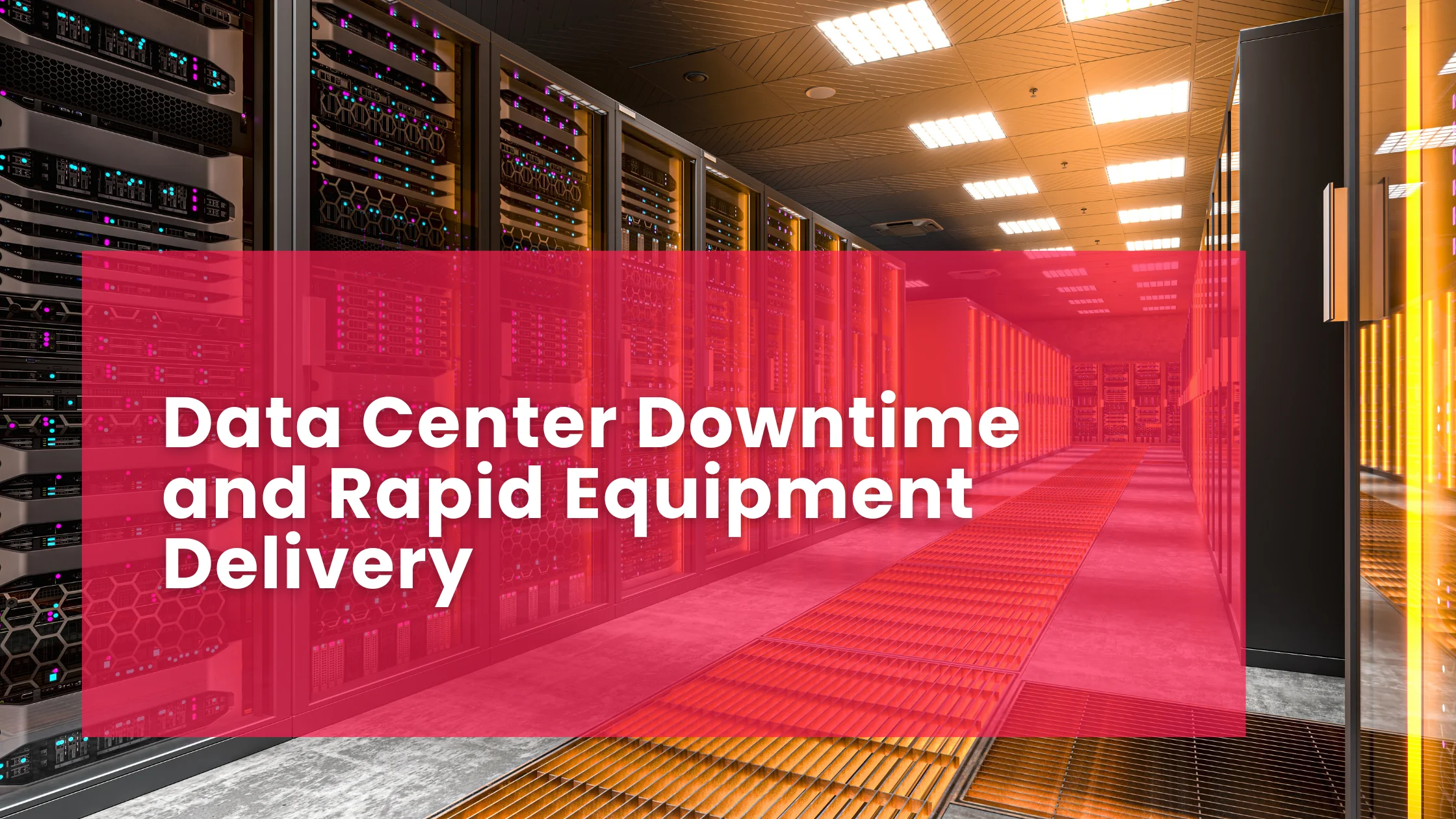
In today’s digital economy, data centers are the backbone of nearly every industry. From financial institutions and healthcare providers to cloud computing companies, e-commerce platforms, manufacturers, and government agencies, organizations rely on uninterrupted access to critical IT infrastructure. Every minute of downtime can translate into lost revenue, damaged customer trust, disrupted operations, and significant financial penalties.
While organizations invest heavily in redundant power supplies, advanced cooling systems, cybersecurity, and disaster recovery, one challenge often receives less attention until it becomes an emergency: rapid logistics for replacement equipment.
When a critical server, storage array, network switch, power distribution unit, or cooling component fails unexpectedly, businesses need more than replacement hardware—they need a logistics partner capable of moving mission-critical equipment across borders quickly, compliantly, and efficiently.
This is where AGOL Worldwide Inc. delivers exceptional value. With extensive expertise in international logistics, freight forwarding, customs brokerage, and supply chain management, AGOL helps organizations minimize downtime by ensuring urgent equipment reaches data centers worldwide with speed, visibility, and precision.
Why Data Center Downtime Is So Expensive
Modern businesses operate around the clock. Customers expect applications, websites, cloud services, payment systems, and communications platforms to remain available 24 hours a day.
Even a brief interruption can have widespread consequences.
Common impacts include:
- Lost online sales
- Interrupted financial transactions
- Production delays
- Customer service disruptions
- Service Level Agreement (SLA) penalties
- Reduced employee productivity
- Reputational damage
- Compliance concerns
- Increased recovery costs
Industry studies consistently show that major data center outages can cost organizations thousands—or even hundreds of thousands—of dollars per hour depending on the scale of operations.
For hyperscale cloud providers and financial institutions, the financial impact may be substantially higher.
Common Causes of Data Center Equipment Emergencies
Unexpected failures can happen despite proactive maintenance.
Typical scenarios include:
Hardware Failure
Critical servers, storage systems, routers, switches, or firewalls may fail unexpectedly due to hardware defects or component wear.
Power Equipment Issues
Failures involving UPS systems, PDUs, transformers, generators, or electrical distribution equipment require immediate replacement.
Cooling System Breakdown
Cooling failures increase temperatures rapidly, putting expensive IT assets at risk.
Network Equipment Failure
Damaged switches, routers, optical transport equipment, and load balancers can disrupt connectivity across multiple business locations.
Natural Disasters
Floods, hurricanes, earthquakes, fires, and severe storms may destroy infrastructure, requiring immediate replacement shipments.
Human Error
Incorrect installations, accidental damage, or maintenance mistakes can create urgent replacement requirements.
Every Minute Matters
Unlike standard commercial shipments, emergency data center logistics operates under extreme time pressure.
Organizations often require:
- Same-day dispatch
- Next-flight-out shipping
- Immediate customs processing
- Priority airline booking
- Direct-to-site delivery
- Weekend transportation
- After-hours customs clearance
- Real-time shipment tracking
Traditional shipping methods are rarely sufficient during these situations.
Instead, organizations require specialized time-critical logistics.
The Complexity of Global Equipment Delivery
Moving enterprise IT equipment internationally is significantly more complicated than transporting ordinary commercial goods.
Challenges may include:
Customs Compliance
Different countries maintain unique import regulations for:
- Servers
- Networking equipment
- Storage systems
- Encryption-enabled hardware
- Telecommunications equipment
- Power infrastructure
Missing documentation can delay customs clearance for days.
Import Licenses
Some destinations require:
- Import permits
- Telecommunications approvals
- Product certifications
- Security declarations
- End-user documentation
Failure to comply can result in shipment delays or rejection.
Duty and Tax Management
Organizations often need assistance determining:
- Import duties
- VAT
- GST
- Temporary import options
- Customs valuation
- Trade agreement eligibility
Proper planning prevents unexpected costs.
Airport Handling
Large enterprise equipment often requires:
- Special cargo handling
- Temperature-sensitive storage
- Secure warehouse facilities
- Priority unloading
- Expedited transfer
Efficient coordination minimizes delays.
Final-Mile Delivery
Delivering equipment to a live data center presents unique challenges.
Facilities frequently require:
- Scheduled delivery windows
- Security clearances
- Loading dock appointments
- Liftgate services
- White-glove handling
- Inside delivery
Every step must be carefully coordinated.
Critical Equipment Frequently Shipped During Emergencies
Emergency logistics may involve transporting:
Enterprise Servers
Organizations often require immediate replacement of:
- Rack servers
- Blade servers
- GPU servers
- Hyperconverged infrastructure
- AI computing platforms
Storage Systems
Storage failures require rapid shipment of:
- SAN arrays
- NAS appliances
- SSD storage
- Backup systems
- High-capacity disk arrays
Networking Equipment
Urgent deliveries frequently include:
- Core switches
- Edge routers
- Firewalls
- Load balancers
- Optical networking equipment
Power Infrastructure
Mission-critical electrical equipment includes:
- UPS systems
- Batteries
- Power distribution units
- Transformers
- Circuit protection devices
Cooling Components
Rapid replacement may involve:
- CRAC units
- Chillers
- Cooling pumps
- Air handling equipment
- Precision cooling systems
Time-Critical Logistics Requires Specialized Planning
Emergency shipments cannot rely on routine freight processes.
Instead, logistics professionals build customized transportation strategies based on:
- Equipment dimensions
- Weight
- Destination
- Customs requirements
- Airline availability
- Delivery deadlines
- Local regulations
- Security requirements
Every shipment is unique.
Air Freight Is Often the Fastest Solution
For urgent data center recovery, air freight usually offers the fastest transportation option.
Benefits include:
- Reduced transit time
- Global connectivity
- Frequent flight schedules
- Faster customs processing
- High shipment visibility
- Secure cargo handling
AGOL Worldwide Inc. coordinates priority air freight solutions to reduce delays wherever possible.
When Charter Aircraft Become Necessary
In extremely urgent situations, commercial airline schedules may not meet operational requirements.
Dedicated aircraft charter services can help when:
- Cargo is oversized
- Flights are unavailable
- Multiple destinations require simultaneous delivery
- Extremely tight deadlines exist
- Sensitive equipment requires dedicated handling
Although charter transportation carries higher costs, it can significantly reduce business interruption.
Customs Clearance Can Make or Break Recovery Time
Transportation is only one part of the equation.
Customs clearance often determines how quickly replacement equipment reaches the facility.
Preparation includes:
- Commercial invoices
- Packing lists
- HS code verification
- Country-of-origin documentation
- Import licenses
- Temporary import paperwork
- Valuation documentation
Accurate documentation helps avoid unnecessary inspections and clearance delays.
The Importance of Supply Chain Visibility
When every hour counts, organizations need complete visibility.
Real-time shipment monitoring allows stakeholders to:
- Track shipment status
- Anticipate delays
- Coordinate installation teams
- Prepare receiving personnel
- Inform customers
- Update executives
Visibility improves decision-making throughout the recovery process.
Coordinating Multiple Stakeholders
Emergency logistics often involves coordination between:
- Equipment manufacturers
- Suppliers
- Freight forwarders
- Airlines
- Customs brokers
- Warehouses
- Local transport providers
- Data center operators
- Installation engineers
Strong communication reduces bottlenecks.
Global Coverage Matters
Many organizations operate multiple facilities across different regions.
Critical equipment may need to move between:
- North America
- Europe
- Asia-Pacific
- Middle East
- Africa
- Latin America
A logistics provider with global capabilities ensures consistent service regardless of destination.
Inventory Positioning Reduces Risk
Many organizations are adopting proactive inventory strategies.
Examples include:
- Regional spare parts hubs
- Forward stocking locations
- Vendor-managed inventory
- Strategic warehouse positioning
- Multi-country distribution centers
These approaches reduce delivery times during emergencies.
Secure Packaging Protects High-Value Equipment
Enterprise IT hardware is expensive and sensitive.
Packaging considerations include:
- Shock-resistant materials
- Anti-static protection
- Moisture barriers
- Custom crating
- Temperature protection
- Vibration control
Proper packaging minimizes transit damage.
Managing Cross-Border Compliance
Global shipments frequently involve multiple regulatory requirements.
Organizations must consider:
- Export controls
- Sanctions screening
- Dual-use regulations
- Product certifications
- Security declarations
- Customs compliance
Experienced logistics professionals help reduce compliance risks.
Planning Before an Emergency Happens
The most successful organizations prepare before downtime occurs.
A proactive logistics strategy includes:
- Approved transportation providers
- Emergency contact lists
- Standard operating procedures
- Customs documentation templates
- Regional inventory planning
- Transportation contingency plans
- Supplier coordination
- Recovery testing
Preparation shortens response times dramatically.
Sustainability in Emergency Logistics
While emergency transportation prioritizes speed, organizations increasingly seek environmentally responsible logistics.
Strategies include:
- Optimized routing
- Consolidated shipments when feasible
- Efficient warehouse operations
- Reduced packaging waste
- Carbon-conscious transportation planning
Balancing urgency with sustainability supports long-term business objectives.
Industries That Depend on Rapid Equipment Delivery
Although data centers are the focus, many sectors depend on urgent logistics.
These include:
- Cloud service providers
- Telecommunications
- Banking and finance
- Healthcare
- Government agencies
- Manufacturing
- Artificial intelligence
- Retail
- Media and entertainment
- Energy
- Education
Reliable logistics protects essential services across every industry.
Why Businesses Choose AGOL Worldwide Inc.
When operations depend on speed, precision, and regulatory expertise, organizations need more than a transportation provider—they need a logistics partner that understands the urgency of mission-critical supply chains.
AGOL Worldwide Inc. supports customers with comprehensive international logistics solutions designed to minimize delays and simplify complex global shipments.
Key capabilities include:
Global Freight Forwarding
Efficient air, ocean, and multimodal freight solutions tailored to shipment urgency.
Time-Critical Logistics
Priority transportation for emergency shipments requiring rapid international delivery.
Customs Brokerage
Professional customs support that helps reduce clearance delays and improves regulatory compliance.
End-to-End Supply Chain Coordination
From supplier pickup through final delivery, AGOL manages every stage of the shipment journey.
International Trade Expertise
Knowledge of global import and export requirements helps organizations navigate changing regulations with confidence.
Shipment Visibility
Real-time tracking and proactive communication provide transparency throughout transportation.
Flexible Logistics Solutions
Every emergency is different. AGOL develops customized transportation strategies based on shipment requirements rather than relying on one-size-fits-all solutions.
Best Practices for Reducing Downtime Through Logistics
Organizations can strengthen business continuity by following several proven logistics practices:
Establish Relationships Before Emergencies
Working with an experienced logistics provider before an incident occurs enables faster response times when urgent shipments become necessary.
Maintain Accurate Equipment Documentation
Detailed records, including serial numbers, technical specifications, and customs classifications, simplify international shipping and customs clearance.
Develop Regional Contingency Plans
Identify backup suppliers, transportation routes, and inventory locations in key markets to reduce recovery times.
Standardize Emergency Procedures
Create documented workflows for procurement, shipping approvals, customs documentation, and installation to avoid delays during high-pressure situations.
Invest in Supply Chain Visibility
Use real-time tracking and communication tools to keep stakeholders informed throughout the shipment lifecycle.
Review and Improve After Every Incident
Conduct post-incident evaluations to identify opportunities for improving logistics performance and strengthening future resilience.
The Future of Emergency Data Center Logistics
As digital infrastructure continues to expand, the demand for rapid, reliable logistics will only increase.
Emerging technologies such as artificial intelligence, predictive analytics, Internet of Things (IoT) sensors, automation, and advanced supply chain visibility platforms are helping organizations anticipate equipment failures, optimize inventory positioning, and accelerate emergency response.
At the same time, increasing global trade complexity, evolving customs regulations, and heightened customer expectations make experienced logistics partners more valuable than ever.
Organizations that combine resilient infrastructure with agile global logistics are better positioned to maintain business continuity, protect customer trust, and respond confidently to unexpected disruptions.
Conclusion
Data center downtime is more than a technical issue—it is a business continuity challenge with financial, operational, and reputational consequences. When critical infrastructure fails, organizations need immediate access to replacement equipment, seamless customs clearance, dependable transportation, and complete visibility throughout the shipping process.
Rapid equipment delivery requires careful planning, international trade expertise, and a logistics partner capable of coordinating complex global supply chains under intense time pressure.
AGOL Worldwide Inc. combines international freight forwarding, customs brokerage, supply chain management, and global logistics expertise to help businesses respond quickly when every minute matters. Whether shipping mission-critical IT hardware, networking equipment, power infrastructure, or other high-value assets, AGOL delivers tailored logistics solutions designed to keep operations moving.
If your organization needs customized global logistics solutions for data center infrastructure, emergency equipment delivery, or international supply chain challenges, connect with AGOL Worldwide Inc. Our experienced team is ready to design reliable, compliant, and efficient logistics strategies that support your business continuity objectives and global growth.