When Every Minute Matters: How Emergency Freight Keeps Telecom Networks Running
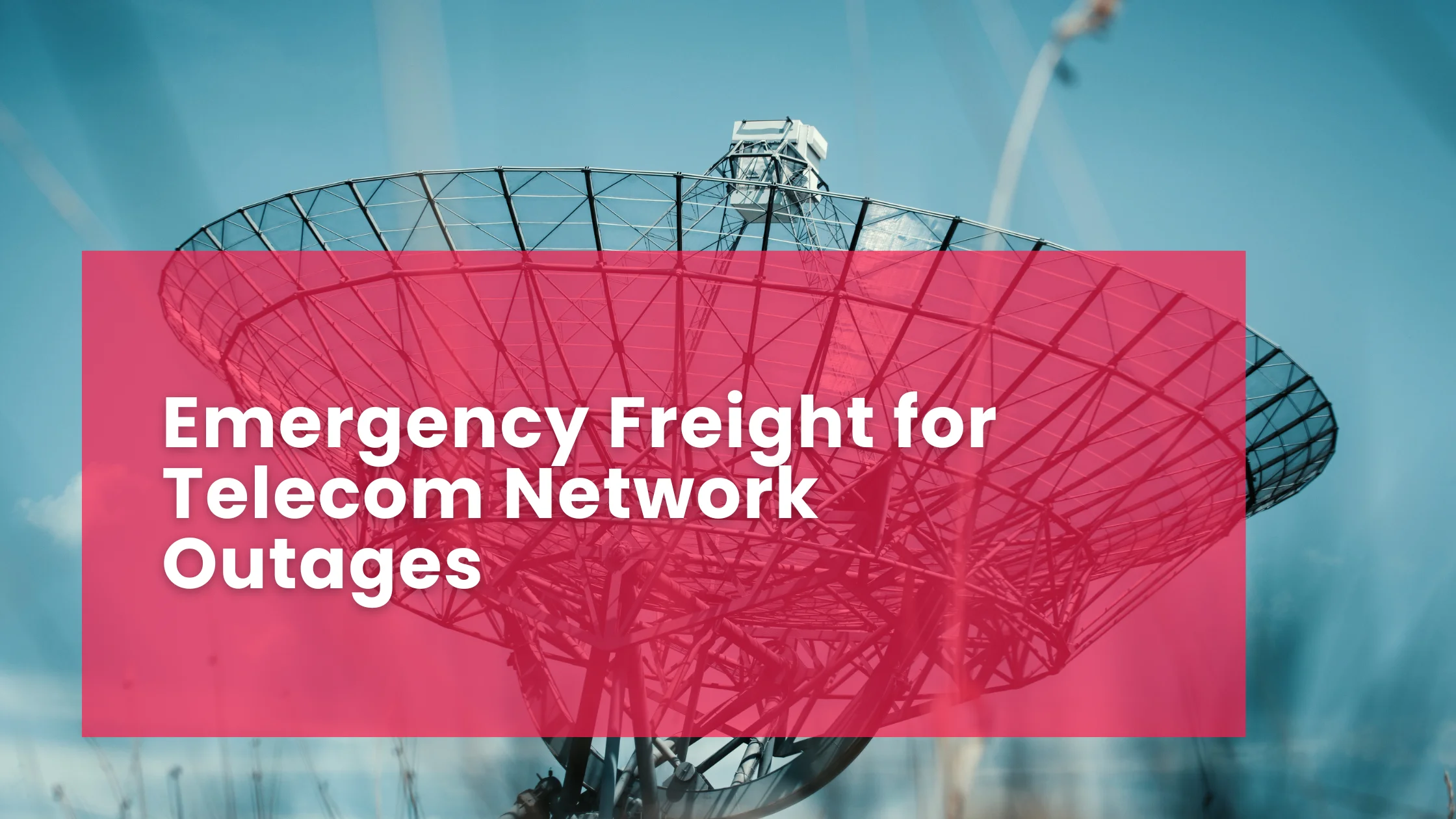
Modern businesses, governments, healthcare providers, financial institutions, and consumers all depend on uninterrupted telecommunications. Whether it’s a mobile network, internet backbone, satellite gateway, or enterprise data connection, even a short disruption can have significant financial and operational consequences.
When critical telecom infrastructure fails unexpectedly, replacing damaged equipment becomes a race against time. Standard freight schedules often cannot meet the urgency required to restore services quickly. This is where emergency freight solutions become an essential part of business continuity.
AGOL Worldwide Inc specializes in global logistics, international freight forwarding, customs brokerage, supply chain solutions, and time-critical transportation that helps organizations move mission-critical telecom equipment across borders with speed, compliance, and precision.
This guide explores how emergency freight supports telecom network recovery, the challenges involved, and why partnering with an experienced global logistics provider is essential during high-pressure situations.
Understanding Telecom Network Outages
Telecommunication networks are built with redundancy, but failures still happen. Equipment failures, environmental events, accidental damage, cyber incidents, and aging infrastructure can all disrupt operations.
Common causes include:
- Fiber optic cable cuts
- Power failures
- Natural disasters
- Hardware malfunction
- Router or switch failures
- Data center outages
- Human error
- Equipment overheating
- Software failures requiring hardware replacement
- Network expansion requiring urgent deployment
Many organizations maintain spare equipment, but not every component is stocked locally. Specialized telecom hardware often needs to be sourced internationally, making emergency logistics a critical part of network restoration.
The Cost of Network Downtime
Every minute of downtime affects multiple stakeholders.
For telecom operators, outages may result in:
- Lost revenue
- Customer dissatisfaction
- Service Level Agreement (SLA) penalties
- Regulatory scrutiny
- Increased operational costs
- Brand reputation damage
Enterprise customers also experience serious consequences.
Banks may lose transaction capability.
Hospitals can face communication interruptions.
Manufacturers may experience production delays.
Airports and transportation systems rely on stable communications.
Emergency services require uninterrupted connectivity.
The faster replacement equipment arrives, the sooner services can be restored.
What Is Emergency Freight?
Emergency freight refers to specialized logistics services designed for urgent shipments requiring immediate transportation.
Unlike conventional freight, emergency logistics prioritizes:
- Immediate booking
- Fast collection
- Priority airline capacity
- Expedited customs clearance
- Real-time shipment visibility
- Dedicated handling
- Direct delivery whenever possible
The objective is simple:
Move mission-critical equipment from origin to destination in the shortest practical timeframe.
Telecom Equipment Commonly Shipped Under Emergency Freight
Telecommunications infrastructure includes highly specialized equipment that often requires urgent international movement.
Examples include:
Core Network Equipment
- Core routers
- MPLS routers
- Network switches
- Optical transport systems
- Packet gateways
Wireless Infrastructure
- Base station equipment
- Radio units
- Remote radio heads
- Massive MIMO antennas
- Microwave radios
Fiber Infrastructure
- Optical amplifiers
- DWDM equipment
- Fiber termination systems
- Optical transceivers
- Patch panels
Data Center Hardware
- Servers
- Storage systems
- Firewalls
- Network security appliances
- Power distribution units
Supporting Equipment
- UPS systems
- Telecom batteries
- Rack systems
- Cooling equipment
- Monitoring devices
Each shipment may involve different handling requirements depending on value, dimensions, sensitivity, and destination regulations.
Why Emergency Freight Requires Specialized Expertise
Moving telecom equipment internationally is far more complex than booking the fastest flight.
Every shipment must consider:
Customs Compliance
Incomplete documentation can delay critical shipments for days.
Emergency freight requires accurate preparation of:
- Commercial invoices
- Packing lists
- Export declarations
- Import permits
- Product certifications
- Country-specific customs requirements
A knowledgeable customs brokerage team minimizes clearance delays.
Airline Capacity
Last-minute shipments often compete for limited cargo space.
Experienced freight forwarders maintain relationships with multiple airlines and logistics partners, increasing the chances of securing immediate transport.
Packaging Protection
Telecom equipment often contains:
- Precision electronics
- Sensitive circuit boards
- Optical components
- High-value processors
Emergency transportation should never compromise packaging quality.
Proper protective packaging reduces transit risks while maintaining shipment speed.
International Coordination
A single shipment may involve:
- Manufacturer
- Distributor
- Export customs
- Airline
- Transit hub
- Destination customs
- Local carrier
- Final delivery team
Successful emergency freight depends on seamless coordination across every stage.
The Emergency Freight Process
An effective emergency logistics operation follows a structured process despite the urgency involved.
Step 1: Immediate Assessment
The logistics provider evaluates:
- Shipment size
- Equipment specifications
- Collection location
- Destination
- Required delivery deadline
- Customs requirements
Rapid planning helps determine the fastest available transport option.
Step 2: Route Selection
Not every fastest-looking route delivers the quickest result.
Factors considered include:
- Flight availability
- Transit times
- Customs processing
- Airport congestion
- Weekend restrictions
- Local delivery conditions
Optimizing the route often saves valuable hours.
Step 3: Documentation Preparation
Documentation is prepared before cargo reaches the airport whenever possible.
Accurate paperwork helps prevent unnecessary customs delays.
Step 4: Priority Transportation
Emergency freight may use:
- Next-flight-out services
- Priority air freight
- Dedicated cargo flights
- Hand-carry solutions
- Charter aircraft for exceptionally urgent shipments
The transport method depends on urgency, shipment size, destination, and budget.
Step 5: Customs Clearance
Professional customs brokerage accelerates border processing while ensuring regulatory compliance.
Early coordination with customs authorities can significantly reduce clearance times.
Step 6: Final Delivery
After customs clearance, cargo moves directly to:
- Data centers
- Telecom exchanges
- Network operation centers
- Distribution facilities
- Customer sites
Final-mile coordination is just as important as international transport.
Common Challenges During Telecom Emergency Shipments
Emergency logistics often encounters obstacles that require immediate solutions.
Limited Inventory
Replacement equipment may only be available from manufacturers in another country.
Global sourcing combined with emergency freight shortens procurement time.
Restricted Flight Availability
Weather, holidays, or seasonal cargo demand can reduce airline capacity.
Experienced freight forwarders quickly identify alternative routes.
Complex Import Regulations
Many countries require specific approvals for telecom hardware.
Proper compliance planning prevents avoidable delays.
High Equipment Value
Telecom infrastructure components can be worth hundreds of thousands of dollars.
Secure transportation, insurance, and shipment monitoring help protect these valuable assets.
Multiple Time Zones
Coordinating suppliers, airlines, customs offices, and delivery teams across continents requires continuous communication.
Global logistics partners provide centralized shipment management regardless of geography.
Industries That Depend on Telecom Emergency Freight
Emergency telecom logistics extends far beyond mobile operators.
Organizations relying on rapid equipment replacement include:
- Internet Service Providers
- Data centers
- Cloud service providers
- Financial institutions
- Government agencies
- Healthcare networks
- Energy companies
- Airports
- Manufacturing facilities
- Defense contractors
- Smart city infrastructure operators
- Utility providers
Reliable connectivity has become essential across virtually every industry.
The Importance of Customs Brokerage During Emergency Shipments
Fast transportation alone does not guarantee fast delivery.
Many delays occur at international borders due to documentation errors or regulatory issues.
Professional customs brokerage supports:
- Classification of telecom equipment
- Duty and tax guidance
- Regulatory compliance
- Import documentation
- Clearance coordination
- Communication with customs authorities
Integrating customs expertise into emergency logistics reduces uncertainty and improves delivery performance.
Risk Management in Emergency Freight
Every urgent shipment involves operational risks.
An experienced logistics partner develops contingency plans for:
- Flight cancellations
- Airport disruptions
- Customs inspections
- Route changes
- Documentation corrections
- Weather events
- Security requirements
Proactive planning minimizes disruption when unexpected events occur.
Visibility Throughout the Shipment
Decision-makers need accurate shipment updates during critical incidents.
Modern emergency freight operations provide visibility across the transportation journey.
Typical updates include:
- Collection confirmation
- Airport arrival
- Flight departure
- Transit milestones
- Customs clearance
- Final delivery status
Real-time communication enables telecom operators to coordinate repair teams and manage customer expectations.
Best Practices for Telecom Emergency Logistics
Organizations can improve outage response by preparing before an emergency occurs.
Recommended practices include:
Develop an Emergency Logistics Plan
Identify logistics partners before an outage happens.
Emergency planning reduces response times when every hour matters.
Maintain Accurate Product Information
Keep technical documentation, product descriptions, serial numbers, and classifications readily available.
This accelerates customs documentation.
Standardize Documentation
Maintain templates for:
- Commercial invoices
- Packing lists
- Export documents
- Import records
Prepared documentation shortens processing times.
Diversify Supplier Networks
Relying on a single supplier increases operational risk.
Global sourcing options improve resilience during equipment shortages.
Conduct Regular Reviews
Evaluate logistics performance after every emergency shipment.
Continuous improvement strengthens future response capabilities.
Why Businesses Choose AGOL Worldwide Inc
Telecom emergency freight requires more than transportation—it demands planning, expertise, compliance, and dependable execution.
AGOL Worldwide Inc supports organizations worldwide with comprehensive logistics solutions tailored to urgent and mission-critical shipments.
Our capabilities include:
- International air freight forwarding
- Time-critical logistics coordination
- Customs brokerage
- Import and export compliance
- Cross-border supply chain management
- Door-to-door logistics solutions
- Global shipment visibility
- Secure handling of high-value cargo
- Multi-country logistics coordination
- Flexible transportation options
Our global logistics experience enables businesses to respond quickly to unexpected network failures while maintaining compliance across international borders.
Whether shipping a single replacement router or coordinating multiple emergency deliveries across different countries, AGOL Worldwide Inc works to keep supply chains moving efficiently and reliably.
Choosing the Right Emergency Freight Partner
Not every freight forwarder is equipped to manage mission-critical telecom shipments.
When evaluating a logistics provider, consider whether they offer:
- Global transportation capabilities
- Customs brokerage expertise
- Time-critical freight experience
- International compliance knowledge
- Multi-country coordination
- Responsive communication
- Flexible routing options
- Secure handling procedures
- End-to-end shipment management
- Proven experience with high-value technology equipment
A capable logistics partner becomes an extension of your operational response team during critical network outages.
The Future of Emergency Telecom Logistics
Telecommunications infrastructure continues to expand through:
- 5G deployment
- Edge computing
- Artificial intelligence
- Internet of Things (IoT)
- Cloud networking
- Hyperscale data centers
- Software-defined infrastructure
As networks become more interconnected, expectations for uptime continue to rise.
Emergency freight will play an increasingly important role in ensuring organizations can recover quickly from equipment failures while maintaining service continuity across global operations.
Businesses that invest in resilient logistics strategies today will be better prepared for tomorrow’s increasingly complex supply chain challenges.
Conclusion
Telecom network outages can occur without warning, but the speed of recovery often depends on the efficiency of the logistics strategy behind the replacement equipment. Emergency freight is more than expedited transportation—it is a coordinated process that combines rapid planning, global freight forwarding, customs expertise, secure handling, and real-time communication to restore critical infrastructure as quickly as possible.
Organizations operating international telecom networks need logistics partners capable of responding immediately, navigating complex cross-border requirements, and delivering mission-critical equipment wherever it is needed. Choosing the right logistics provider can significantly reduce downtime, protect business continuity, and strengthen operational resilience.
AGOL Worldwide Inc delivers customized international logistics, emergency freight forwarding, customs brokerage, and end-to-end supply chain solutions designed to support businesses when every minute counts. Whether you need urgent cross-border transportation for telecom equipment or comprehensive global logistics services, our experienced team is ready to help you build a faster, more resilient supply chain.
Connect with AGOL Worldwide Inc today to discuss your emergency freight requirements and discover customized global logistics solutions that keep your business moving—no matter how challenging the situation.