The New Standard in Global Logistics
Modern supply chains are under pressure from every direction. Customers expect faster delivery windows, businesses want lower inventory costs, and international trade networks continue to grow more complex. What once qualified as “fast shipping” is now considered average. Across industries, companies are being forced to rethink how products move from supplier to customer.
This shift has accelerated the rise of micro-fulfillment and ultra-fast distribution models.
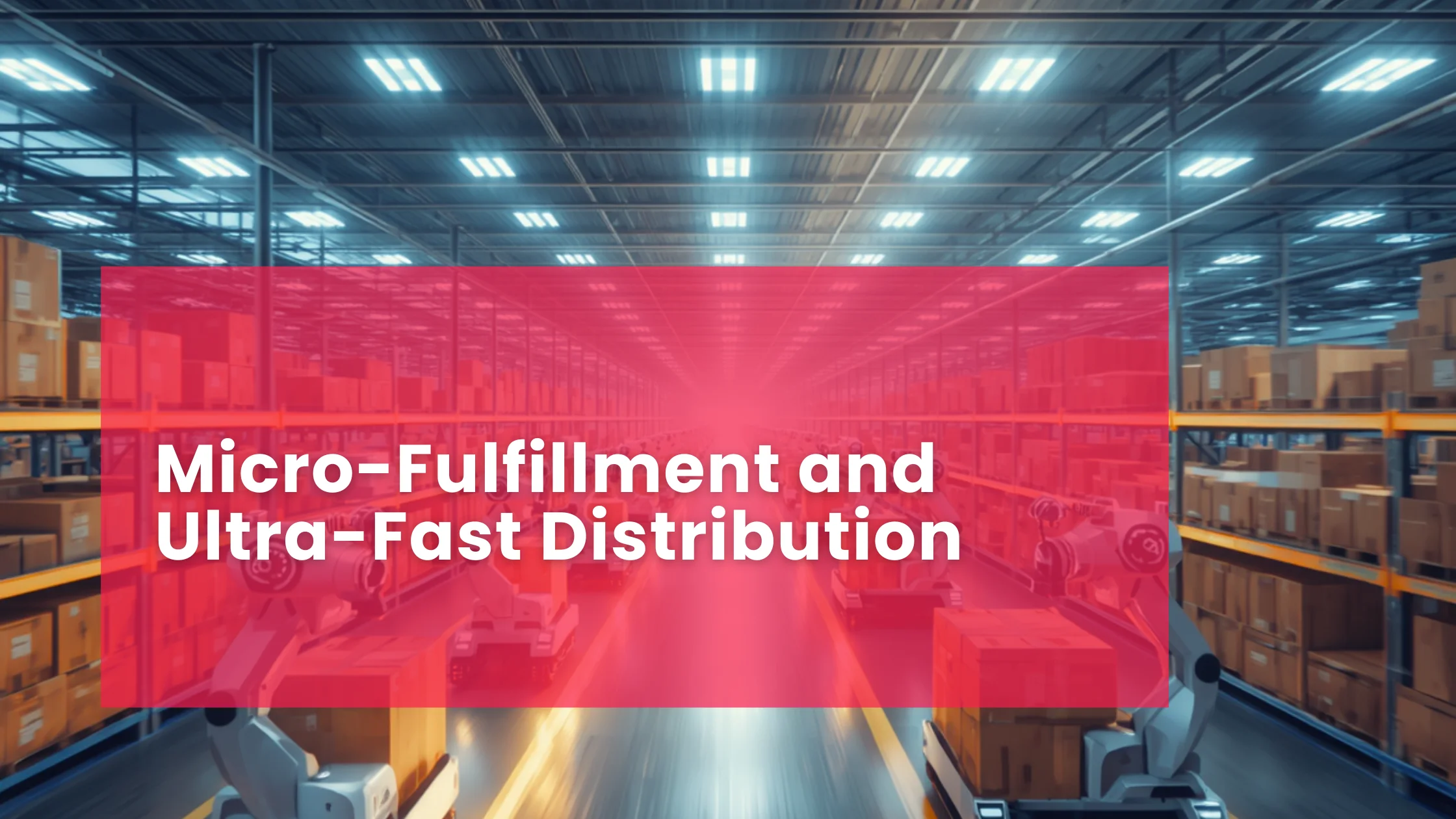
Micro-fulfillment is changing the structure of global logistics by placing inventory closer to demand centers, reducing transit times, improving inventory visibility, and increasing supply chain responsiveness. Combined with advanced transportation networks, customs expertise, and intelligent distribution strategies, businesses can now move goods faster and more efficiently than ever before.
For importers, exporters, manufacturers, retailers, and procurement leaders, the challenge is no longer simply moving cargo internationally. The real challenge is creating a supply chain that can respond quickly to changing customer expectations while maintaining compliance, cost control, and operational stability.
That is where experienced global logistics partners become critical.
As an international logistics provider specializing in freight forwarding, customs brokerage, supply chain solutions, and global trade services, AGOL Worldwide Inc helps businesses build agile distribution strategies that support speed, scalability, and long-term growth.
Understanding Micro-Fulfillment
Micro-fulfillment refers to the use of smaller, strategically positioned fulfillment centers located close to end customers or high-demand markets. Unlike traditional large-scale warehouses positioned far from urban centers, micro-fulfillment facilities are designed for rapid order processing and last-mile efficiency.
These facilities are often located near:
- Major metropolitan areas
- Industrial hubs
- High-density consumer markets
- Ports and transportation corridors
- Cross-border trade zones
The goal is straightforward: reduce the distance between inventory and the customer.
This approach significantly shortens delivery timelines while improving inventory flexibility and reducing transportation inefficiencies.
Micro-fulfillment is no longer limited to e-commerce retailers. Today, it is increasingly used across:
- Technology distribution
- Healthcare logistics
- Automotive supply chains
- Consumer electronics
- Industrial equipment
- Fashion and retail
- Food and beverage distribution
- Manufacturing support operations
Companies that operate internationally are realizing that centralized inventory models often create delays, increase transportation costs, and reduce responsiveness during disruptions. Micro-fulfillment offers a more resilient alternative.
Why Ultra-Fast Distribution Matters
Speed has become a competitive advantage.
Businesses that can deliver products faster often gain stronger customer retention, better operational efficiency, and increased market responsiveness. However, ultra-fast distribution is not only about delivery speed. It also impacts inventory planning, procurement cycles, customs clearance, transportation management, and customer satisfaction.
Several factors are driving demand for faster global distribution:
Rising Customer Expectations
Customers now expect rapid delivery across both B2B and B2C environments. Delays can impact sales, customer trust, and long-term partnerships.
Businesses supplying critical equipment, replacement parts, or time-sensitive inventory cannot afford extended lead times.
Growth of Cross-Border Trade
International trade volumes continue to increase as companies expand sourcing and distribution into new markets. This growth creates additional pressure on logistics infrastructure and customs processes.
Without efficient distribution networks, cross-border shipping can quickly become slow and unpredictable.
Supply Chain Disruptions
Global supply chains have experienced significant disruptions over recent years, including:
- Port congestion
- Container shortages
- Geopolitical instability
- Regulatory changes
- Air freight capacity fluctuations
- Labor shortages
- Rising transportation costs
These disruptions exposed weaknesses in traditional logistics models that relied heavily on centralized inventory systems.
Demand for Inventory Agility
Businesses need the ability to reposition inventory quickly based on market demand. Micro-fulfillment enables faster inventory allocation while reducing the risks associated with overstocking or understocking.
The Core Components of Micro-Fulfillment
Successful micro-fulfillment operations require more than smaller warehouses. They depend on a fully integrated logistics strategy that combines technology, transportation, compliance, and operational expertise.
Strategic Warehouse Placement
Location selection directly affects delivery speed and transportation costs.
Effective micro-fulfillment centers are typically positioned near:
- Airports
- Seaports
- Free trade zones
- Major highways
- Urban consumption centers
AGOL Worldwide Inc helps businesses evaluate distribution requirements and identify logistics strategies that align with regional demand patterns and international trade routes.
Real-Time Inventory Visibility
Inventory visibility is essential for fast-moving supply chains.
Businesses need accurate, real-time access to:
- Inventory levels
- Shipment status
- Customs progress
- Delivery timelines
- Warehouse movement
- Transportation updates
Without visibility, ultra-fast distribution becomes difficult to manage efficiently.
Modern logistics solutions rely on digital tracking systems, warehouse management technology, and transportation analytics to support operational control.
Integrated Freight Forwarding
Ultra-fast distribution depends on reliable international transportation.
Freight forwarding plays a critical role in coordinating:
- Air freight
- Ocean freight
- Multimodal transportation
- Cross-border shipping
- Consolidation services
- Route optimization
Businesses operating globally require logistics partners capable of managing transportation networks across multiple countries while maintaining efficiency and compliance.
Customs Brokerage Expertise
Customs delays can eliminate the advantages of fast distribution.
Efficient customs clearance requires:
- Accurate documentation
- HS code classification
- Import/export compliance
- Duty management
- Regulatory expertise
- Trade documentation accuracy
AGOL Worldwide Inc supports international businesses with customs brokerage services that help reduce delays and support smooth cargo movement across borders.
How Micro-Fulfillment Improves Supply Chain Performance
Micro-fulfillment is not simply a trend. It delivers measurable operational advantages across the supply chain.
Reduced Delivery Times
Positioning inventory closer to customers significantly reduces transit times.
Faster deliveries improve:
- Customer satisfaction
- Operational responsiveness
- Service reliability
- Emergency replenishment capabilities
This is particularly important for industries where downtime or delays create operational risk.
Lower Last-Mile Costs
Last-mile delivery is often one of the most expensive parts of logistics operations.
Micro-fulfillment reduces:
- Delivery distance
- Fuel consumption
- Transportation inefficiencies
- Urban congestion challenges
This leads to more efficient regional distribution.
Improved Inventory Allocation
Distributed inventory networks allow businesses to allocate stock based on demand trends rather than relying on a single centralized warehouse.
This creates greater flexibility during:
- Seasonal demand spikes
- Product launches
- Supply shortages
- Market fluctuations
Greater Supply Chain Resilience
Supply chain resilience has become a major priority for global businesses.
Micro-fulfillment supports resilience by reducing dependence on a single facility or transportation route. If one region experiences disruption, businesses can continue operations through alternative inventory locations.
Better Scalability
As businesses expand into new markets, micro-fulfillment networks can scale more efficiently than traditional centralized distribution models.
Companies can establish regional distribution hubs without overextending warehouse capacity.
Industries Benefiting from Ultra-Fast Distribution
Different industries face different logistics challenges, but the demand for speed is becoming universal.
Technology and IT Equipment
Technology supply chains often involve:
- High-value cargo
- Time-sensitive deployments
- International compliance requirements
- Specialized handling needs
Rapid distribution is critical for minimizing downtime and supporting infrastructure rollouts.
Healthcare and Medical Logistics
Healthcare logistics require precision, compliance, and speed.
Medical devices, pharmaceutical products, and laboratory equipment often depend on controlled transportation environments and rapid delivery timelines.
Micro-fulfillment helps healthcare providers maintain inventory availability while reducing supply disruptions.
Automotive Supply Chains
Automotive manufacturers and suppliers rely heavily on just-in-time inventory systems.
Delayed parts shipments can interrupt production lines and create substantial financial losses.
Regional fulfillment strategies support faster replenishment and operational continuity.
Retail and E-Commerce
Retail businesses face increasing pressure to offer faster shipping options.
Micro-fulfillment supports:
- Same-day delivery
- Next-day delivery
- Faster returns processing
- Improved customer experience
Industrial Manufacturing
Manufacturers often require urgent access to machinery components, replacement parts, and production materials.
Ultra-fast distribution minimizes operational downtime and supports production efficiency.
The Role of Technology in Fast Distribution Networks
Technology is a major driver behind modern logistics efficiency.
Micro-fulfillment operations increasingly rely on digital systems to improve accuracy, visibility, and responsiveness.
Warehouse Automation
Automation technologies improve order processing speed and inventory accuracy through:
- Automated picking systems
- Robotics
- Conveyor systems
- Barcode scanning
- Smart inventory management
These systems reduce manual handling and improve fulfillment efficiency.
Transportation Management Systems
Transportation management platforms help optimize:
- Carrier selection
- Route planning
- Delivery scheduling
- Shipment visibility
- Freight cost control
These systems improve operational coordination across international logistics networks.
Data Analytics
Supply chain analytics help businesses identify:
- Demand trends
- Shipping patterns
- Inventory risks
- Transportation bottlenecks
- Capacity planning opportunities
Data-driven decision-making improves supply chain performance and reduces operational inefficiencies.
Real-Time Tracking
Modern customers expect shipment visibility.
Real-time tracking systems provide transparency across:
- Freight movement
- Customs status
- Warehouse handling
- Delivery progress
This visibility improves customer confidence and operational planning.
Challenges Businesses Face with Micro-Fulfillment
Although micro-fulfillment offers significant advantages, implementation requires careful planning and operational expertise.
Inventory Complexity
Managing inventory across multiple locations increases operational complexity.
Businesses must maintain:
- Accurate stock visibility
- Coordinated replenishment
- Demand forecasting
- Inventory balancing
Without strong logistics coordination, inventory fragmentation can create inefficiencies.
Transportation Coordination
Ultra-fast distribution requires synchronized transportation networks.
Delays in:
- Air freight
- Ocean freight
- Customs clearance
- Inland transportation
can disrupt the entire distribution cycle.
Compliance and Regulatory Requirements
International trade compliance remains a major challenge for global businesses.
Different countries maintain unique:
- Import regulations
- Documentation requirements
- Product standards
- Customs procedures
- Tax structures
Experienced customs and trade support is essential for maintaining efficient global distribution.
Infrastructure Costs
Building regional fulfillment capabilities requires investment in:
- Warehousing
- Technology
- Transportation
- Staffing
- Inventory management systems
Businesses need logistics strategies that balance speed with cost efficiency.
Why Global Logistics Expertise Matters
Fast distribution is only effective when supported by reliable logistics execution.
Businesses operating internationally require logistics partners capable of managing complex supply chain environments while maintaining visibility, compliance, and operational control.
A strong logistics partner helps businesses:
- Optimize shipping routes
- Improve inventory flow
- Reduce customs delays
- Manage freight capacity
- Support cross-border compliance
- Increase supply chain efficiency
- Strengthen global distribution networks
AGOL Worldwide Inc works with businesses across industries to support international cargo movement, customs brokerage, freight forwarding, and end-to-end supply chain solutions tailored to operational requirements.
Building a Future-Ready Supply Chain
The future of logistics will continue moving toward speed, flexibility, and regional distribution efficiency.
Businesses that adapt early will be better positioned to:
- Respond to market changes
- Improve customer service
- Reduce operational disruptions
- Expand internationally
- Strengthen supply chain resilience
Micro-fulfillment and ultra-fast distribution are becoming critical components of modern supply chain strategy rather than optional enhancements.
However, successful implementation requires more than warehouse space. It requires coordinated logistics planning, transportation expertise, customs knowledge, and scalable infrastructure.
Companies that invest in agile logistics strategies today will be better prepared for tomorrow’s global trade environment.
How AGOL Worldwide Inc Supports Global Distribution Excellence
AGOL Worldwide Inc provides comprehensive international logistics solutions designed to support modern supply chain demands.
With expertise in:
- International freight forwarding
- Customs brokerage
- Global trade compliance
- Warehousing solutions
- Supply chain coordination
- Import and export logistics
- Multimodal transportation
- Time-sensitive cargo management
AGOL Worldwide Inc helps businesses navigate the complexities of global commerce with confidence.
Whether managing urgent international shipments, supporting regional fulfillment strategies, or optimizing cross-border distribution networks, AGOL Worldwide Inc delivers logistics solutions focused on efficiency, reliability, and operational performance.
Final Thoughts
Micro-fulfillment and ultra-fast distribution are reshaping global logistics.
As customer expectations continue rising and supply chains become more complex, businesses need smarter distribution models that prioritize speed, visibility, flexibility, and resilience.
The companies that succeed in the next generation of global trade will be those that can move products efficiently across borders while adapting quickly to changing market conditions.
Achieving that level of performance requires experienced logistics support, integrated transportation networks, customs expertise, and scalable supply chain solutions.
AGOL Worldwide Inc helps businesses build efficient, agile, and globally connected logistics operations tailored to modern distribution demands.
To learn how AGOL Worldwide Inc can support your international logistics, freight forwarding, customs brokerage, and global supply chain requirements, connect with the team today for customized logistics solutions designed around your business goals.