Global supply chains have never been more complex—or more vulnerable. From port congestion and geopolitical disruptions to sudden demand spikes and compliance risks, modern logistics operates in an environment where uncertainty is the norm. Traditional, reactive supply chain management is no longer sufficient. Businesses that wait for disruptions to occur often find themselves dealing with costly delays, lost revenue, and damaged customer trust.
This is where predictive logistics is transforming the industry.
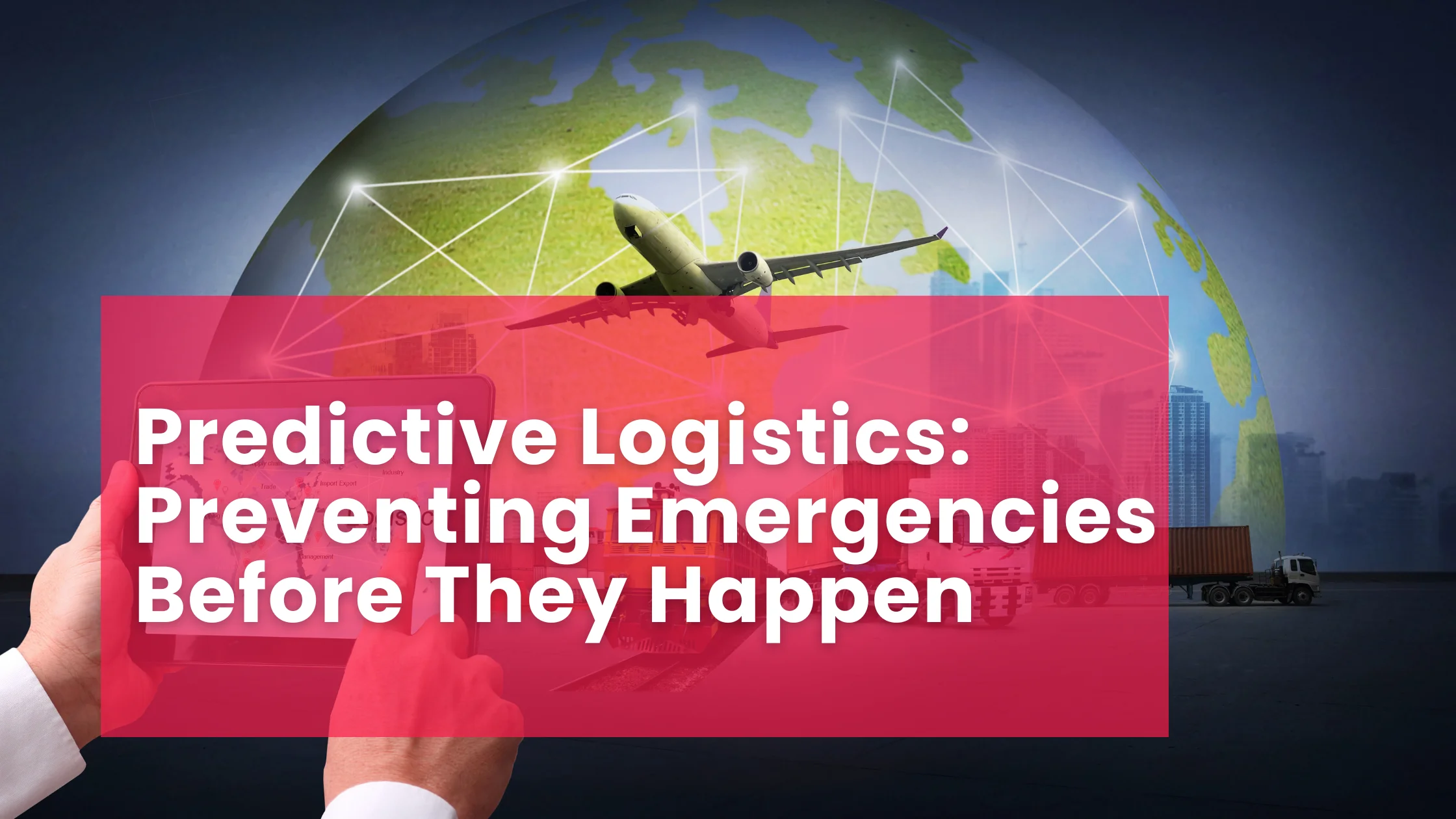
Predictive logistics leverages data, analytics, and advanced technologies to anticipate potential disruptions before they happen—allowing companies to act proactively rather than reactively. For organizations operating across borders, this shift is not just beneficial; it is essential.
As a global leader in international logistics, AGOL Worldwide Inc helps businesses move beyond reactive operations and embrace predictive, resilient, and intelligent supply chains.
What Is Predictive Logistics?
Predictive logistics refers to the use of data analytics, machine learning, and real-time visibility tools to forecast potential disruptions and optimize supply chain decisions in advance.
Instead of asking:
- “What went wrong?”
Predictive logistics asks:
- “What is likely to go wrong—and how can we prevent it?”
This approach combines:
- Historical shipment data
- Real-time tracking information
- External factors (weather, port congestion, geopolitical events)
- Demand forecasting models
The result is a supply chain that is anticipatory, adaptive, and resilient.
Why Reactive Logistics Is No Longer Enough
For decades, supply chains were built around efficiency and cost reduction. While those priorities still matter, the global landscape has changed dramatically.
Key Challenges in Modern Logistics
- Unpredictable disruptions (pandemics, strikes, geopolitical tensions)
- Complex regulatory environments across multiple countries
- Rising customer expectations for speed and transparency
- Supply-demand volatility driven by global markets
Reactive logistics—where issues are addressed only after they occur—creates:
- Delayed shipments
- Increased costs (expedited freight, penalties)
- Inventory imbalances
- Customer dissatisfaction
In contrast, predictive logistics enables businesses to stay ahead of these challenges.
The Core Components of Predictive Logistics
Predictive logistics is not a single tool or system. It is an ecosystem of technologies and strategies working together.
1. Data Integration and Visibility
A predictive supply chain begins with complete visibility.
Data sources include:
- Shipment tracking systems
- Warehouse management systems (WMS)
- Transportation management systems (TMS)
- Supplier and vendor data
- Customs and compliance databases
By integrating these data streams, companies gain a unified view of their operations.
2. Advanced Analytics and Machine Learning
Predictive models analyze patterns and trends to forecast:
- Delivery delays
- Demand fluctuations
- Inventory shortages
- Route inefficiencies
Machine learning continuously improves these forecasts by learning from new data.
3. Real-Time Monitoring
Real-time tracking tools provide live updates on:
- Shipment location
- Port congestion
- Weather disruptions
- Customs clearance status
This allows immediate action when risks are detected.
4. Scenario Planning
Predictive logistics enables businesses to simulate “what-if” scenarios:
- What if a port closes unexpectedly?
- What if demand spikes by 30%?
- What if a supplier fails to deliver?
This allows companies to develop contingency plans before disruptions occur.
5. Automated Decision-Making
Advanced systems can automatically trigger actions such as:
- Rerouting shipments
- Adjusting inventory levels
- Switching transportation modes
- Notifying stakeholders
This reduces response time and minimizes human error.
How Predictive Logistics Prevents Emergencies
Predictive logistics shifts supply chains from crisis management to risk prevention.
1. Avoiding Shipment Delays
By analyzing historical transit times and real-time data, predictive systems can identify potential delays before they happen.
Example:
If a specific port is experiencing congestion, shipments can be rerouted proactively to alternative ports.
2. Preventing Stockouts and Overstocking
Demand forecasting ensures optimal inventory levels.
Benefits include:
- Reduced carrying costs
- Improved order fulfillment
- Better cash flow management
3. Enhancing Customs Compliance
International trade involves complex regulations that vary by country.
Predictive tools can:
- Identify documentation gaps
- Flag compliance risks
- Anticipate regulatory changes
This reduces the likelihood of:
- Shipment holds
- Penalties
- Legal complications
4. Mitigating Supplier Risks
Predictive analytics can evaluate supplier performance and identify potential risks such as:
- Late deliveries
- Quality issues
- Financial instability
This allows businesses to diversify suppliers or adjust sourcing strategies.
5. Optimizing Transportation Routes
Predictive routing considers:
- Traffic patterns
- Fuel costs
- Weather conditions
- Infrastructure constraints
This results in:
- Faster deliveries
- Lower transportation costs
- Reduced environmental impact
The Role of Predictive Logistics in Global Trade
For businesses operating internationally, predictive logistics is particularly valuable.
Managing Cross-Border Complexity
Global trade involves multiple variables:
- Customs regulations
- Tariffs and duties
- Documentation requirements
- Local infrastructure limitations
Predictive systems help navigate these complexities by identifying potential bottlenecks in advance.
Improving Lead Time Accuracy
Accurate delivery timelines are critical for:
- Production planning
- Inventory management
- Customer commitments
Predictive logistics improves ETA accuracy by factoring in real-time and historical data.
Strengthening Supply Chain Resilience
Resilience is no longer optional—it is a competitive advantage.
Predictive logistics enables businesses to:
- Respond quickly to disruptions
- Maintain continuity during crises
- Protect revenue and reputation
Industry Applications of Predictive Logistics
Predictive logistics is transforming multiple industries.
1. Technology and IT Equipment
- Managing high-value shipments
- Ensuring compliance with import regulations
- Preventing delays in time-sensitive deliveries
2. Healthcare and Pharmaceuticals
- Maintaining cold chain integrity
- Ensuring timely delivery of critical supplies
- Managing regulatory compliance
3. Retail and E-commerce
- Forecasting demand trends
- Optimizing inventory distribution
- Enhancing last-mile delivery
4. Manufacturing
- Aligning production schedules with supply availability
- Reducing downtime
- Improving supplier coordination
Key Benefits of Predictive Logistics
1. Cost Reduction
By preventing disruptions, businesses avoid:
- Expedited shipping costs
- Storage fees
- Penalties
2. Improved Customer Satisfaction
Reliable delivery timelines and transparency build trust and loyalty.
3. Better Decision-Making
Data-driven insights enable smarter, faster decisions.
4. Increased Efficiency
Automation and optimization streamline operations.
5. Competitive Advantage
Companies that anticipate disruptions outperform those that react to them.
Challenges in Implementing Predictive Logistics
While the benefits are clear, implementation requires careful planning.
1. Data Quality and Integration
Incomplete or inaccurate data can undermine predictive models.
2. Technology Investment
Advanced analytics and AI tools require investment in infrastructure and expertise.
3. Change Management
Transitioning from reactive to predictive operations requires:
- Training
- Process redesign
- Cultural shift
4. Cybersecurity Risks
Increased data usage requires robust security measures.
How AGOL Worldwide Inc Enables Predictive Logistics
AGOL Worldwide Inc combines global logistics expertise with advanced technology to help businesses build predictive supply chains.
1. End-to-End Visibility
AGOL provides comprehensive tracking and monitoring across:
- Air, sea, and land freight
- Warehousing and distribution
- Customs clearance processes
2. Data-Driven Insights
By leveraging analytics, AGOL helps clients:
- Forecast demand
- Identify risks
- Optimize operations
3. Proactive Risk Management
AGOL anticipates potential disruptions and implements solutions before they impact operations.
4. Global Compliance Expertise
With deep knowledge of international regulations, AGOL ensures smooth customs processes and minimizes compliance risks.
5. Customized Logistics Solutions
Every business is unique. AGOL designs tailored strategies that align with specific operational goals and market conditions.
The Future of Predictive Logistics
The evolution of predictive logistics is accelerating, driven by emerging technologies.
1. Artificial Intelligence and Deep Learning
More sophisticated models will deliver increasingly accurate forecasts.
2. Internet of Things (IoT)
Connected devices will provide real-time data on:
- Shipment conditions
- Location
- Environmental factors
3. Blockchain Technology
Enhanced transparency and security in supply chain transactions.
4. Autonomous Logistics
Automation in transportation and warehousing will further improve efficiency.
5. Sustainability Integration
Predictive logistics will play a key role in reducing carbon footprints through optimized routes and resource utilization.
Building a Predictive Supply Chain Strategy
Businesses looking to adopt predictive logistics should focus on:
1. Investing in Technology
Adopt platforms that enable data integration and analytics.
2. Partnering with Experts
Work with experienced logistics providers who understand global complexities.
3. Prioritizing Data Accuracy
Ensure high-quality data for reliable predictions.
4. Developing Contingency Plans
Prepare for multiple scenarios to enhance resilience.
5. Continuous Improvement
Regularly update models and strategies based on new data and insights.
Conclusion: From Reaction to Prevention
The future of logistics belongs to those who can anticipate challenges before they arise. Predictive logistics transforms supply chains from reactive systems into proactive, intelligent networks capable of preventing emergencies rather than merely responding to them.
For importers, exporters, and global businesses, this shift is not just about efficiency—it is about survival and growth in an increasingly complex world.
AGOL Worldwide Inc stands at the forefront of this transformation, offering the expertise, technology, and global reach needed to build resilient, predictive supply chains.
Ready to Future-Proof Your Supply Chain?
If your business is ready to move beyond reactive logistics and embrace a smarter, more resilient approach, AGOL Worldwide Inc is here to help.
Connect with AGOL Worldwide Inc today to design customized global logistics solutions that anticipate risks, optimize operations, and keep your supply chain moving—no matter what challenges arise.