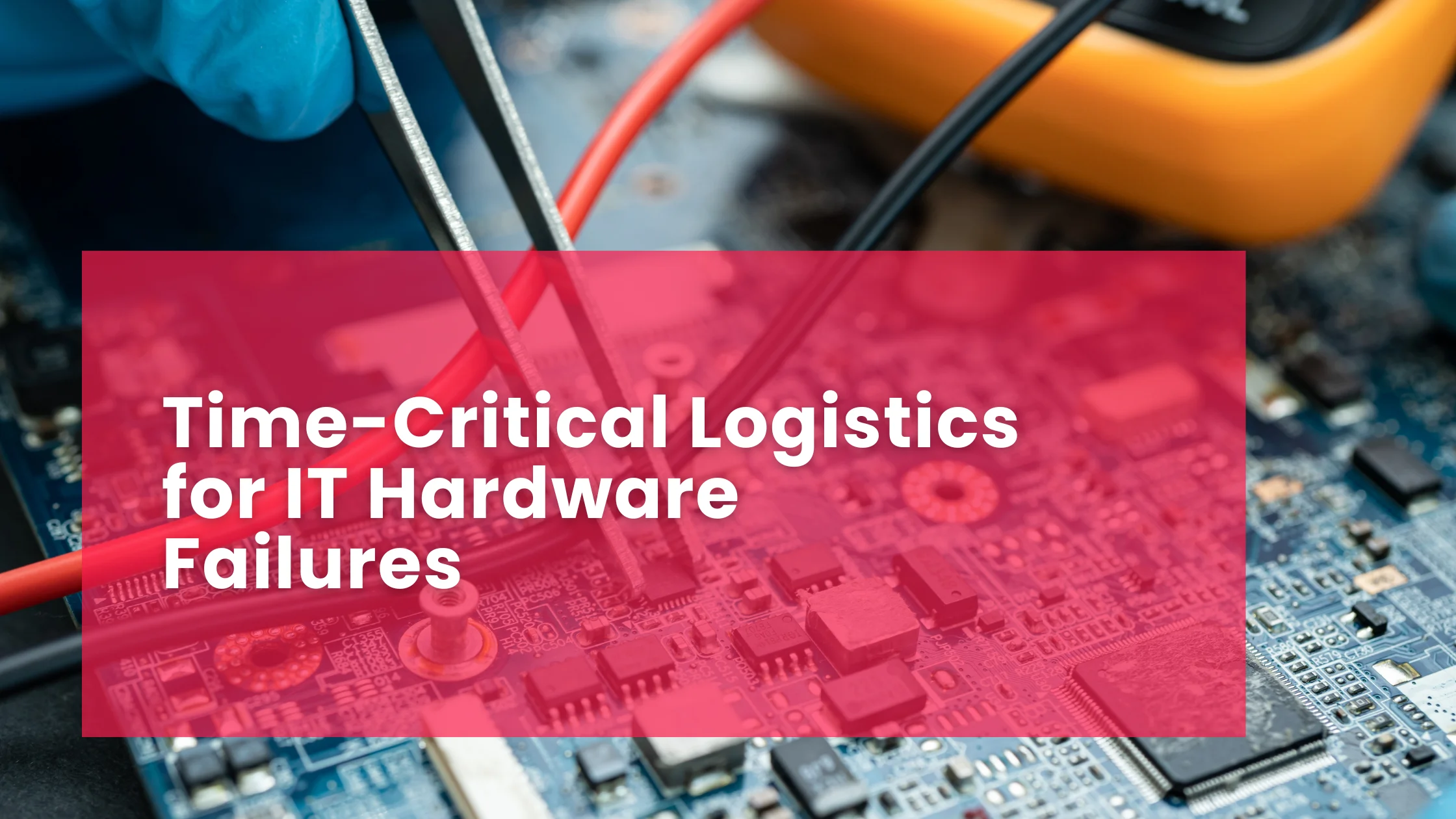
Why Every Minute Matters in Global IT Infrastructure
In today’s digital economy, IT infrastructure powers nearly every business operation. Data centers, cloud platforms, financial institutions, healthcare providers, manufacturers, telecom networks, retailers, and government agencies all rely on mission-critical hardware operating around the clock. When a server, storage array, networking device, or telecommunications component fails unexpectedly, the consequences extend far beyond technical inconvenience. Downtime can disrupt operations, delay customer services, interrupt manufacturing, compromise business continuity, and result in significant financial losses.
Replacing failed hardware quickly is rarely as simple as shipping a replacement overnight. International shipments involve customs regulations, import documentation, compliance requirements, transportation planning, and coordination among multiple stakeholders. Every hour spent waiting at a border or customs checkpoint increases operational risk.
This is where time-critical logistics becomes an essential part of business continuity.
AGOL Worldwide Inc specializes in global logistics, freight forwarding, customs brokerage, and international supply chain solutions that help organizations move critical IT equipment across borders with speed, accuracy, and regulatory compliance. Whether supporting emergency hardware replacement, disaster recovery, data center expansion, or network restoration, AGOL provides end-to-end logistics solutions designed to minimize downtime and keep businesses operating.
Understanding Time-Critical Logistics
Time-critical logistics refers to specialized transportation and supply chain services designed for shipments that cannot tolerate unnecessary delays. Unlike conventional freight, these shipments are managed with urgency, continuous monitoring, priority handling, and proactive coordination throughout the logistics process.
For IT hardware failures, every shipment becomes part of an organization’s incident response strategy.
Examples include:
- Emergency server replacements
- Failed storage system components
- Network switches
- Enterprise routers
- Firewalls
- Optical networking equipment
- Telecom infrastructure
- Industrial control hardware
- Critical spare parts
- Data center equipment
These shipments often require immediate collection, priority international transportation, customs clearance upon arrival, and direct delivery to technical teams.
The Cost of IT Hardware Downtime
Organizations invest millions of dollars in technology infrastructure because uninterrupted operations are essential. A single hardware failure can affect thousands—or even millions—of users.
Potential consequences include:
Financial Losses
Every hour of downtime can result in lost revenue, contractual penalties, reduced productivity, and emergency recovery expenses.
Operational Disruption
Manufacturing lines may stop, customer support systems may become unavailable, financial transactions may fail, or business applications may become inaccessible.
Customer Experience
Service interruptions damage customer confidence and reduce satisfaction, particularly for businesses providing cloud services, telecommunications, banking, and e-commerce.
Regulatory Risks
Certain industries must meet strict service availability requirements. Extended downtime may lead to compliance issues or contractual violations.
Reputation Damage
Organizations increasingly compete on reliability. Extended outages can affect customer trust and long-term business relationships.
Fast logistics cannot prevent hardware failures—but it can significantly reduce recovery time.
Common Causes of Emergency IT Hardware Shipments
Emergency logistics is required in many situations beyond unexpected equipment failure.
Hardware Failure
Enterprise servers, storage arrays, networking devices, and telecom systems eventually experience component failures.
Replacement parts often need to be shipped internationally because regional inventories may not be available.
Data Center Outages
Cooling failures, electrical faults, or infrastructure incidents may require rapid deployment of replacement hardware.
Disaster Recovery
Floods, earthquakes, fires, storms, or other natural disasters may destroy critical IT infrastructure, requiring immediate replacement equipment.
Warranty Replacements
Manufacturers frequently dispatch replacement units internationally under warranty agreements, requiring efficient customs clearance and delivery.
Project Delays
Installation projects sometimes discover defective components during deployment, creating urgent replacement requirements.
Capacity Expansion
Unexpected customer demand may require immediate deployment of additional servers or networking equipment.
Why International Emergency Shipments Are Challenging
Moving critical IT equipment internationally involves much more than booking transportation.
Several factors create complexity.
Customs Compliance
Every country has unique import regulations, documentation requirements, and customs procedures.
Incorrect paperwork can delay emergency shipments for days.
Import Licensing
Some countries require permits, certifications, or specialized documentation before importing telecommunications or encryption-enabled equipment.
Multiple Stakeholders
Emergency shipments involve manufacturers, distributors, logistics providers, customs authorities, airlines, couriers, data center operators, and installation teams.
Successful coordination requires experienced logistics management.
Transportation Constraints
Limited flight availability, airline restrictions, dangerous goods regulations for batteries, and airport congestion can all affect delivery schedules.
Last-Mile Delivery
Even after customs clearance, equipment must reach secure facilities such as data centers, telecom sites, industrial plants, or remote installations.
Key Components of Time-Critical IT Logistics
Successful emergency logistics depends on careful planning throughout the supply chain.
Rapid Shipment Planning
Every emergency begins with immediate assessment.
This includes:
- Pickup location
- Destination requirements
- Transit options
- Customs documentation
- Delivery deadlines
- Equipment specifications
Rapid planning reduces delays before the shipment even begins.
Priority Transportation
Time-sensitive shipments often use:
- Next-flight-out services
- Air freight
- Express courier networks
- Dedicated vehicles
- Charter aircraft when necessary
Transportation choices depend on urgency, destination, and cargo characteristics.
Customs Brokerage
International customs clearance is often the most critical step.
Professional customs brokerage helps ensure:
- Accurate declarations
- Harmonized tariff classification
- Documentation review
- Import compliance
- Faster customs processing
- Regulatory coordination
Real-Time Shipment Visibility
Organizations need continuous visibility during emergency logistics.
Tracking enables stakeholders to monitor:
- Pickup confirmation
- Flight departures
- Customs clearance status
- Delivery milestones
- Estimated arrival times
Real-time information improves operational planning and communication.
Secure Handling
IT hardware is highly valuable and often sensitive to shock, vibration, moisture, and electrostatic discharge.
Professional handling includes:
- Protective packaging
- Secure loading
- Climate considerations
- Chain-of-custody management
- Tamper-resistant transportation
Typical IT Hardware Requiring Emergency Logistics
Organizations frequently transport mission-critical equipment during emergency situations.
These include:
Enterprise Servers
Modern businesses depend on servers supporting databases, applications, virtualization, cloud infrastructure, and business operations.
Rapid replacement minimizes downtime.
Network Infrastructure
Routers, switches, wireless controllers, and security appliances maintain enterprise connectivity.
Network failures often affect multiple locations simultaneously.
Storage Systems
Storage hardware protects critical business information.
Fast replacement helps reduce data recovery risks.
Telecom Equipment
Mobile operators, internet providers, and communication companies rely on continuous infrastructure availability.
Time-critical logistics supports uninterrupted connectivity.
Data Center Infrastructure
Power distribution equipment, rack components, cooling systems, and supporting infrastructure may require urgent international transportation.
The Importance of Customs Expertise
Many emergency shipments fail to meet delivery expectations because customs preparation begins too late.
Professional customs planning starts before cargo leaves the origin country.
Important considerations include:
- Commercial invoices
- Packing lists
- Country-specific documentation
- Product classifications
- Valuation accuracy
- Import permits
- Temporary import requirements
- Regulatory compliance
Experienced customs professionals identify potential issues before shipments reach international borders.
This proactive approach reduces delays and supports predictable delivery schedules.
Building a Reliable Emergency Logistics Strategy
Organizations should prepare for hardware failures before they occur.
An effective strategy includes:
Global Logistics Partner
Working with an experienced international logistics provider ensures emergency support is available whenever incidents arise.
Predefined Shipping Procedures
Standard operating procedures accelerate response times.
These should define:
- Emergency contacts
- Documentation requirements
- Escalation processes
- Carrier preferences
- Delivery priorities
Regional Inventory Planning
Strategically positioned spare parts reduce transportation time.
Organizations often maintain regional inventory hubs to improve response capabilities.
Customs Documentation Templates
Preparing documentation in advance reduces administrative delays during emergencies.
Risk Assessment
Supply chain managers should identify:
- High-risk locations
- Customs complexities
- Transportation bottlenecks
- Alternative routing options
- Backup logistics providers
Technology Is Transforming Time-Critical Logistics
Modern logistics combines transportation expertise with digital technologies.
Organizations increasingly benefit from:
Real-Time Tracking
GPS-enabled monitoring provides shipment visibility throughout international transportation.
Predictive Analytics
Historical transportation data helps anticipate delays and optimize routing.
Automated Notifications
Stakeholders receive immediate updates whenever shipment status changes.
Digital Documentation
Electronic documentation accelerates customs preparation and improves accuracy.
Supply Chain Visibility
Integrated logistics platforms connect manufacturers, freight forwarders, customs brokers, and customers through shared information.
Industry Sectors That Depend on Emergency IT Logistics
Time-critical logistics supports organizations across many industries.
Data Centers
Cloud providers require uninterrupted infrastructure to maintain service availability.
Financial Services
Banks, payment processors, and trading platforms depend on continuous hardware availability.
Healthcare
Hospitals and healthcare providers rely on medical IT systems supporting patient care and clinical operations.
Telecommunications
Communication networks require immediate replacement of failed infrastructure components.
Manufacturing
Production facilities increasingly depend on automated systems connected through industrial IT infrastructure.
Government
Public services require secure, reliable technology infrastructure supporting essential operations.
Energy
Utilities and energy companies rely on industrial control systems requiring rapid hardware replacement when failures occur.
Best Practices for Emergency International IT Shipments
Organizations can improve logistics performance by following proven practices.
Maintain accurate equipment records.
Detailed product information simplifies customs declarations.
Standardize documentation.
Consistent documentation reduces processing delays.
Verify regulatory requirements.
Import regulations differ across countries.
Package equipment professionally.
Proper packaging protects valuable hardware during transportation.
Communicate continuously.
Regular updates improve coordination among technical teams, logistics providers, and customers.
Prepare contingency plans.
Alternative transportation routes improve resilience during unexpected disruptions.
Select experienced logistics partners.
International expertise is essential when managing urgent global shipments.
How AGOL Worldwide Inc Supports Time-Critical IT Logistics
International emergency logistics requires more than transportation—it requires coordination, expertise, and global execution.
AGOL Worldwide Inc provides comprehensive logistics solutions that help organizations respond quickly to critical IT hardware failures while maintaining compliance across international borders.
Our capabilities include:
- Global air freight solutions
- International freight forwarding
- Customs brokerage services
- Import and export compliance
- Cross-border transportation
- Supply chain coordination
- End-to-end shipment management
- Secure transportation of high-value IT equipment
- Real-time shipment visibility
- Flexible logistics planning for urgent projects
By combining international logistics expertise with responsive customer support, AGOL helps organizations reduce downtime, improve supply chain resilience, and ensure mission-critical equipment reaches its destination as efficiently as possible.
Why Experience Matters in Emergency Logistics
Emergency logistics leaves little room for error.
Experienced logistics professionals understand how to:
- Navigate international customs procedures
- Coordinate multiple transportation providers
- Resolve documentation issues quickly
- Identify alternative routing options
- Communicate effectively across global supply chains
- Protect sensitive and high-value technology equipment
- Adapt to changing shipment priorities
This expertise enables businesses to respond confidently when unexpected hardware failures occur.
Future Trends in Time-Critical IT Logistics
As digital transformation accelerates, demand for emergency logistics services will continue to grow.
Emerging trends include:
- Increased investment in regional spare-parts hubs
- Greater use of predictive maintenance to reduce failures
- AI-powered logistics planning
- Enhanced shipment visibility through connected supply chain platforms
- Automation of customs documentation
- Faster international transportation networks
- Sustainable logistics practices that balance speed with environmental responsibility
Organizations that invest in resilient logistics strategies today will be better prepared for tomorrow’s operational challenges.
Conclusion
Unexpected IT hardware failures can disrupt operations within minutes, but prolonged downtime is not inevitable. A well-planned time-critical logistics strategy enables organizations to respond rapidly, move replacement equipment across international borders efficiently, and restore essential systems with minimal delay.
Success depends on more than transportation alone. It requires experienced freight forwarding, customs expertise, supply chain coordination, regulatory compliance, secure handling, and real-time visibility from origin to final delivery. Businesses that establish trusted logistics partnerships before emergencies occur are better equipped to maintain continuity, protect customer confidence, and reduce the financial impact of unexpected hardware failures.
AGOL Worldwide Inc delivers comprehensive global logistics solutions tailored to the demands of today’s technology-driven businesses. From emergency air freight and customs brokerage to international freight forwarding and end-to-end supply chain management, our team is committed to helping organizations move mission-critical IT equipment quickly, securely, and compliantly across the globe.
If your business requires dependable, customized international logistics support for time-sensitive shipments, connect with AGOL Worldwide Inc today. Our experienced logistics professionals are ready to design tailored global supply chain solutions that keep your operations moving—no matter how urgent the challenge.